


The Dead Hang: Why TikTok's Most Popular Hang Exercise is Worth Adding to Your Routine
In the ever-changing world of fitness trends, some exercises stand out for their simplicity and effectiveness. The "dead hang," which has recently skyrocketed in popularity on TikTok, is one of those rare movements. At first glance, it may seem overly simple—just hanging from a pull-up bar—but don't be misled. This humble exercise can challenge your grip strength, strengthen your shoulders and core, relieve spinal stress, and even boost your mental toughness. Easy for beginners yet challenging for experienced athletes, the dead hang proves that sometimes the simplest moves can yield the greatest results.
What is the dead hang?
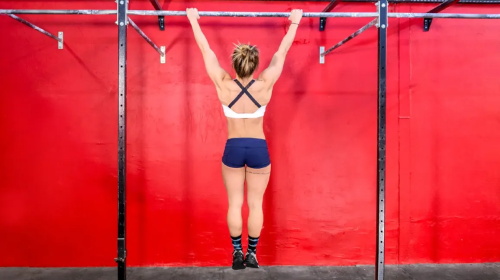
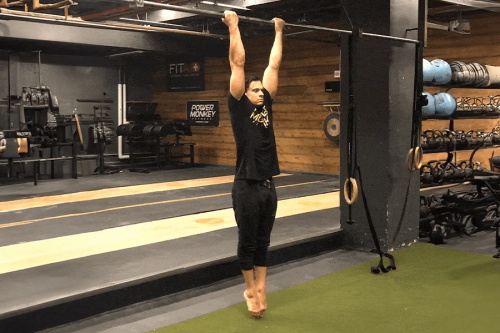
The dead hang is simply a pull-up where you hold onto an elevated pull-up bar, fully extend your body, and lift your feet off the ground, letting gravity do the work. Unlike pull-ups or chin-ups, which require active muscle engagement to lift your body, the dead hang focuses on passive endurance and stability. Your hands, wrists, shoulders, and core muscles all need to be challenged to maintain the position, while your spine decompresses and your body relaxes into a hanging position.
While it may seem simple, there are variations that allow you to tailor the exercise to your fitness level:
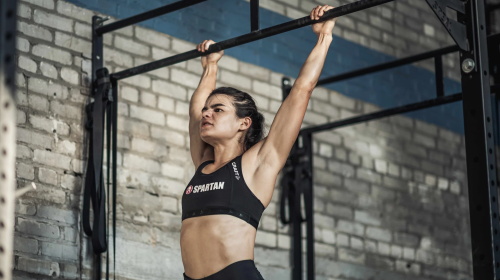
Active Hang: Slightly tighten your shoulders and core to control your body, rather than completely relaxing.
Passive Hang: Let your joints organically expand under your own weight while your body relaxes completely.
Weighted Hang: For advanced practitioners, adding weight using a weighted belt can improve grip and core strength.
One-Armed Hang: An extreme progression, hanging from one arm, develops unilateral strength and grip endurance.
Why "Dead Hangs" Are Trending on TikTok?
The rise of social media has significantly impacted fitness trends, and TikTok has become a hub for popular fitness exercises. Here are some reasons why dead hang training is so appealing to viewers:
Accessibility: Neither a gym membership nor pricey equipment are needed. You may use a branch, playground equipment, or even a strong pull-up bar.
Challenge and Progress: Users enjoy tracking their progress over time, showing how many seconds or minutes they can hang, or gradually increasing the difficulty of a single-arm hang or adding weight.
Visual Appeal: Seeing the human body defy gravity, demonstrating raw strength and determination, is inherently satisfying.
Scientific Credibility: Fitness influencers and experts have highlighted the exercise's benefits for grip strength, shoulder health, and spinal decompression, lending legitimacy to the trend.
Benefits of Hang Body Training
1. Grip Strength
Grip strength is crucial not only for lifting and climbing, but also for everyday activities like opening a can or carrying groceries. Hang training trains your forearms and hands to maintain tension for extended periods, improving muscle endurance and tendon strength. Over time, this can translate into better performance in pull-ups, kettlebell exercises, rock climbing, and other exercises that require grip strength.
2. Shoulder Health and Stability
Modern lifestyles often lead to long periods of sitting at desks or using electronic devices, which can lead to rounded shoulders and poor posture. Active hangs can promote shoulder mobility by naturally stretching the thoracic and anterior deltoid muscles while strengthening stabilizer muscles like the rotator cuff. Properly performed, this exercise can alleviate shoulder discomfort, improve posture, and increase overall range of motion.
3. Spinal Decompression
Spinal decompression is among the most underappreciated advantages of active hangs. Active hangs allow gravity to gently lengthen the spine, relieving pressure on the intervertebral discs. For those experiencing lower back tension from prolonged sitting or heavy lifting, a few minutes of active hangs can serve as a natural countermeasure, promoting better spinal alignment and reducing discomfort.
4. Core Engagement
While active hangs are often considered an upper body exercise, the core muscles also play a vital role in stabilizing the body. Engaging the abdominals and obliques during active hangs can improve core endurance, helping improve posture, build functional strength, and prevent injuries.
5. Mental Toughness
Tolerating the initial discomfort of hanging from a pull-up bar can build mental toughness. The longer you hang, the more you'll develop patience, focus, and a calm mindset. Many TikTok users share not only their physical progress but also their mental growth, highlighting the all-around benefits of hanging.
How to Incorporate Hanging Exercises into Your Training?
Hanging exercises are versatile and can be incorporated into your routine in a variety of ways, whether you're looking to build strength, flexibility, or endurance. Here's a guide to safely and effectively incorporating hanging exercises:
1. Start Small
Start with quick, 10–20 second hangs if you're new to hanging, paying attention to shoulder posture and grip. As your strength and stamina increase, gradually extend the hang time.
2. Warm Up First
While this is a low-impact exercise, warming up your shoulders, wrists, and forearms is crucial. Shoulder circles, wrist stretches, and gentle stretching with a resistance band can help prevent strains or injuries.
3. Combine Pull-Ups and Rows
Hangs complement other upper body exercises. Pairing them with pull-ups, handstand rows, or resistance band exercises can improve overall strength and muscular balance. Consider using hangs as active recovery between pull-up sets to improve grip endurance.
4. Incorporate Mobility Work
Incorporate passive hangs into your daily routine. Hanging for 30 to 60 seconds at a time can help relieve spinal pressure and stretch tight muscles, especially after lifting weights or sitting for long periods.
5. Challenge Yourself with Variations
Once you've mastered the basic hangs, you can try more advanced variations. Weighted hangs, single-arm hangs, and even adding in little exercises like shrugs can provide additional stimulation and prevent plateaus.
Common Mistakes to Avoid
● Even simple exercises can lead to injury if performed incorrectly.
● Shrugs: Keep your shoulders in an active hang position to protect your joints.
● Lock your elbows: Avoid completely locking them; a slight bend can reduce joint tension.
● Gripping incorrectly: For a firm, safe grip, make sure your thumbs are encircling the barbell.
● Hanging too long, too early: Gradually build endurance to prevent wrist and forearm tendon strain.
The hang is more than just a TikTok trend—it's a functional exercise that develops grip strength, shoulder mobility, core strength, and mental toughness needed for everyday activities and athletic performance. Unlike many exercises that isolate specific muscle groups, hangs engage multiple systems in a natural and intuitive way, reflecting movements humans have used for centuries for climbing, hanging, and lifting.
For those seeking functional fitness, improving grip strength, or simply adding variety to their routine, hang training offers an accessible yet challenging solution. Its benefits extend beyond the pull-up bar, improving posture, flexibility, and both physical and mental toughness.
The hang's popularity on TikTok is no accident. Its accessible, simple-to-learn, and significant benefits make it a must-try for anyone looking to improve their fitness. From strengthening your grip and shoulder stability to reducing spinal stress and building mental fortitude, hanging poses offer a well-rounded approach to wellness. Whether you're a beginner seeking a low-impact workout or an athlete looking to improve your performance, incorporating hanging poses into your daily training can improve your strength, endurance, and overall fitness.
Recommended for you: