


Smart Treadmills in 2025: AI Coaches and Scenic Streams
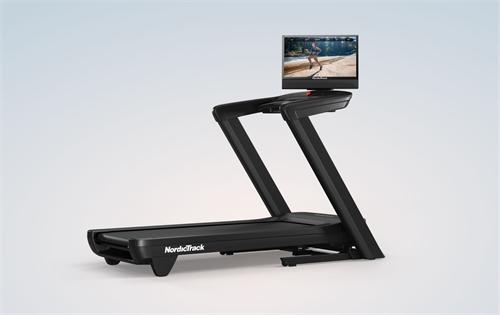
The fitness industry is entering a new era. Treadmills are no longer simply running machines but complex fitness ecosystems. In 2025, smart treadmills will redefine indoor running with immersive visuals, AI coaching, and integration with various wearable devices and apps. The goal is not only to make workouts more efficient, but also to make them more engaging, personalized, and even enjoyable.
These advancements stem from years of research in sports science, artificial intelligence, and digital entertainment. The modern treadmill is no longer just about speed and incline; it's a complete sensory experience that motivates, guides, and challenges users in real time.
Personalized AI Coaching
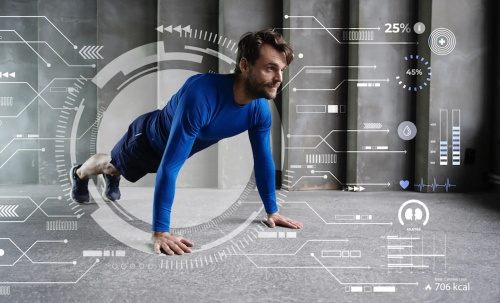
One of the most transformative features of smart treadmills is AI coaching. Traditional treadmills offer preset programs, but AI coaching goes far beyond that, analyzing each user's fitness level, movement patterns, heart rate, and recovery needs to create a personalized workout.
Dynamic Workouts: AI systems can instantly adjust speed, incline, and resistance based on your workout. For example, if your heart rate rises too quickly, the treadmill will reduce the intensity; if you're easily completing a workout, the treadmill will increase the difficulty. This real-time feedback ensures every workout is safe and effective.
Posture Analysis: AI coaches can use sensors or cameras to assess your running form, including landing position, running form, and stride length, and provide real-time corrections to prevent injuries. Imagine a virtual coach gently guiding you through corrective movements, helping you avoid long-term knee or back problems.
Conversational AI: Beyond just numbers, some treadmills now feature AI that interacts with you like a personal trainer. They offer motivational tips, suggest recovery plans, and even answer fitness-related questions, making every workout guided and engaging.
Progress Tracking: AI coaches continuously learn from your training performance over weeks or even months. They adjust your training plan to ensure continuous progress, avoid plateaus, and optimize recovery. Essentially, the treadmill acts like a personal trainer who deeply understands your physical condition and goals.
This level of personalization has been shown to increase consistency and engagement, helping users maintain their fitness habits longer.
Scenic Runs and Virtual Adventures
Immersive experiences are another disruptive innovation in treadmill technology. Smart treadmills in 2025 will transport you to breathtaking scenery around the world, making indoor running feel like a true outdoor adventure.
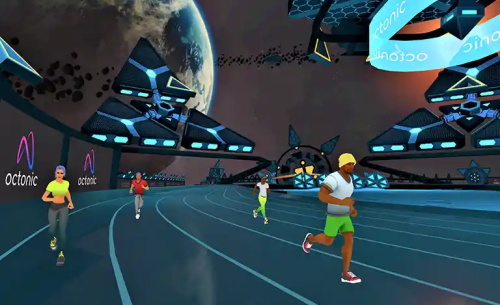
Automatic Terrain Matching: Treadmills now adjust incline and speed to reflect the virtual terrain displayed on the HD screen. When running along a digital mountain path, the treadmill automatically adjusts the incline; while flat urban routes, the speed is adjusted to a steady pace. This creates a more realistic running experience and helps to train muscles more naturally.
Global Routes on Demand: The platform offers thousands of virtual running routes, ranging from the European countryside to the exotic forests of South America. The combination of high-definition visuals, realistic terrain adjustments, and synchronized ambient sounds (birdsong, ocean waves, or city traffic) transforms the treadmill from a simple machine into an immersive environment that inspires both body and mind.
Motivation through Discovery: This immersive experience adds an element of adventure to indoor running, keeping motivation high. Users report that their workouts are longer and more satisfying when they feel like they're exploring a new environment rather than running in place.
Gamification: Many systems incorporate gamification features, such as completing challenges, competing on leaderboards, or earning virtual rewards. This fusion of gaming and fitness encourages adherence and makes exercise more engaging.
Pioneering Technology Beyond the Scenery
Modern treadmills are no longer just for running—they are hubs of innovation that blend advanced fitness science, cognitive engagement, and even sustainability.
Neuroadaptive Training: Some treadmills now feature sensors that track brain activity, allowing them to adjust training programs to optimize focus and cognition. Combining physical and mental training can enhance memory, reaction time, and overall brain health.
Holographic Trainers: Some high-end models feature holographic trainers that demonstrate movements and provide guidance in 3D. This provides a realistic personal trainer experience, allowing users to learn and correct movements with unprecedented precision.
Energy Harvesting Treadmills: Innovative designs convert kinetic energy from running into electricity. This sustainable feature can power fitness equipment or lighting, making exercise an environmentally friendly activity.
Heart Rate and Biometric Integration: Modern treadmills now integrate wearables to monitor heart rate, blood oxygen saturation, and even hydration levels. Artificial intelligence analyzes this data to recommend rest periods, adjust exercise intensity, or provide recovery guidance, creating a fully adaptive fitness environment.
Fitness Ecosystem
Smart treadmills are just one component of a larger, connected fitness ecosystem:
Seamless Wearable Sync: Smart treadmills sync with watches, health apps, and fitness trackers to centrally manage your exercise, sleep, and health data. This holistic view allows you to track your progress in multiple areas, from endurance to sleep quality.
Complete AI Health Coaches: Some AI systems go beyond treadmills, integrating nutritional advice, sleep monitoring, and lifestyle recommendations. These AI coaches offer truly comprehensive health solutions.
Predictive Injury Prevention: Treadmills use machine learning to detect potential injury risks based on movement patterns and biometric feedback. Early warnings can prevent overuse injuries and help users train more safely.
Smart Textiles: Integration goes beyond digital—smart clothing can monitor stress, fatigue, and hydration levels, providing additional feedback to AI systems for more precise workout customization.
This connected approach ensures indoor running is more than just a cardio workout, but a complete, data-driven wellness journey.
Why This Matters to You?
Enhanced Motivation: Scenic runs, gamification, and AI coaching transform workouts from mundane routines into enjoyable adventures.
Safer, Smarter Workouts: Real-time form feedback, adaptive intensity, and predictive injury prevention ensure effective and safe training.
Holistic Experience: Cognitive engagement, biometric tracking, and sustainable energy use add deeper value to every workout.
Lifestyle Integration: Smart treadmill data connects with wearables and apps, seamlessly integrating into daily life and fitness goals.
Looking ahead, the future of treadmill fitness is even more exciting.

VR/AR Integration: Expect fully immersive virtual reality runs with 360° visuals and interactive environments.
Hybrid Machines: Equipment that combines running, rowing, cycling, or strength training will meet cross-training needs in a compact system.
Advanced AI Feedback: Holographic and AI-guided workouts will continue to evolve, offering personalized, predictive, and cognitively enhanced guidance.
Sustainability and Smart Energy Use: Treadmills may increasingly serve as energy-generating tools, promoting eco-friendly fitness.
The smart treadmill of 2025 will no longer be just fitness equipment; it will be the gateway to a fully immersive, adaptive, and intelligent fitness experience. With AI coaching, virtual trails, and integrated health features, these treadmills offer more than just fitness training. They will help you run smarter, safer, and more joyfully, turning every run into an adventure.
Recommended for you: