


From Pickleball to Brisk Walking: America's Fitness Approach
In recent years, the United States has witnessed a fitness renaissance—not one characterized by ostentatious, high-intensity exercise, but rather a broad and inclusive wave of "playful fitness." From the social stimulation of pickleball with its rackets to the rhythmic and measured pace of brisk walking, more Americans are engaging in exercise more actively and joyfully than ever before.
A report indicates that by 2024, approximately 80% of Americans (approximately 247 million people) will participate in some form of physical activity, defying the stereotype of a sedentary society. Unlike decades of sports dominated by marathon trends, bodybuilding culture, or boutique gyms, today's sports are more fun, flexible, and lifestyle-focused.
The current American fitness scene reflects a cultural shift: exercise is no longer about punishment or the pursuit of extreme aesthetics, but about fun, sustainability, and connection.
Pickleball: The Hot Sport
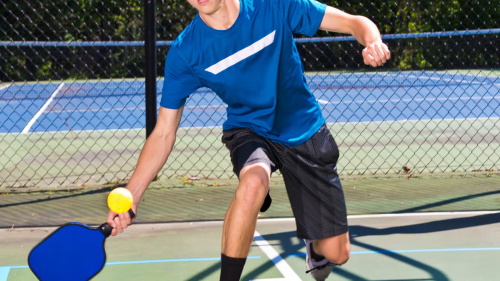
If there's one sport that embodies this new era, it's pickleball. Pickleball has been called "America's fastest-growing sport," and its growth trajectory has been meteoric. In 2024, 19.8 million Americans played pickleball, a staggering 311% increase since 2021. Some estimates suggest that by 2025, the number of players could exceed 40 million.
So, why this boom?
Easy to play and low-impact: Pickleball is easier on joints than tennis and requires less running than racquetball. Pickleball's smaller courts, underhand serves, and lighter rackets lower the barrier to entry.
Social design: Whether playing doubles or engaging in impromptu games on public courts, the sport's boom is driven by connection. Players often describe pickleball as "a sport you come for, but stay for the people you spend time with."
Generational: Pickleball initially gained popularity among retirees and has now attracted a younger demographic. Today, the 25-34 age group is one of the fastest-growing demographics.
Pop Culture Momentum: From professional leagues to celebrity investments from athletes like LeBron James and Tom Brady, pickleball is no longer just a fad.
Of course, this surge comes with growing pains. Orthopedic clinics are reporting an increase in injuries: meniscus tears, shoulder strains, and Achilles tendon ruptures, often caused by overdoing it on weekends. Experts recommend dynamic warm-ups, lower-body strength training, and wearing the right shoes to mitigate risk.
Despite these concerns, players still find pickleball addictive—in the best way possible. For many, it's the first step back into fitness after years of inactivity.
Walking: Still the Undefeated Champion
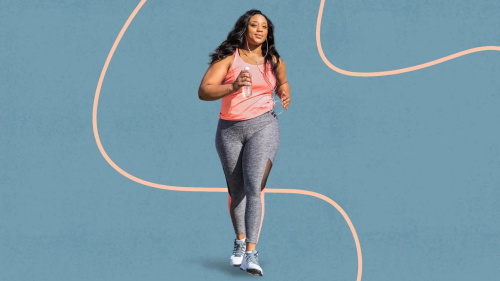
Despite pickleball's popularity, one fitness activity remains dominant: walking. Over 115 million Americans say they regularly walk for exercise, making it the nation's most popular physical activity. While walking may sound simple, new styles have given it renewed appeal.
Brisk Walking vs. Fast Walking
Brisk walking (3-4 mph) is a time-tested exercise favorite. Studies show that just 15 minutes a day can lower blood pressure and cholesterol and reduce the risk of premature death by nearly 20%.
Brisk walking (4-5 mph) takes it a step further, burning more calories and improving cardiovascular endurance. For example, a 160-pound person can burn approximately 181 calories in 30 minutes, while brisk walking only burns 119.
Brisk walking requires upright posture, a deliberate heel-to-toe stride, and powerful arm swings. It's essentially a "light run"—providing many of the same benefits without the impact.
Advantages of Walking
One of the most exciting developments in walking research has been the focus on Vigorous Intermittent Lifestyle Physical Activity (VILPA). This scientifically-backed concept suggests that small bursts of exercise—quickly climbing stairs, walking uphill, or briskly carrying groceries—can provide significant health benefits.
The benefits of walking for brain health have also been noted in other research. Light exercise throughout the day can boost memory and processing speed and lower cognitive age by up to four years, according to research. Even better, seniors who walked only 3,600 steps a day—much fewer than the much-discussed 10,000—had a more than 25% lower risk of heart failure. Walking is a simple example of how even the most basic motions can produce the strongest forces.
A New Frontier in Fitness
While pickleball and walking dominate participation, other forms of exercise are carving out a niche in the American fitness landscape. Many of these sports blend exercise, lifestyle, and wellness, reflecting the current generation's emphasis on variety and accessibility.
Padel: Pickleball's Rival
Although still a niche sport in the United States, padel tennis (sometimes called "tennis in a box") is rapidly growing. Played on a smaller court surrounded by glass walls to keep the ball contained, padel tennis is played longer and at a slightly higher intensity than pickleball. Clubs are popping up in major cities like Miami, New York, and Los Angeles, often marketed as social venues that blend sports with nightlife.
For young professionals, padel tennis's blend of athletic passion and community is incredibly appealing. If pickleball represents accessible fitness, padel tennis represents aspirational athletic culture.
Dance Fitness: Where Movement Meets Joy
From Zumba to TikTok-inspired dance classes, dance-based fitness continues to thrive. Its appeal lies not only in the movement but also in the emotion: dance not only burns calories, improves coordination, and promotes cardiovascular health, but also inspires rhythm and self-expression.
With the booming popularity of virtual platforms, millions of people are joining live or recorded dance workouts, transforming their living rooms into studios. Gen Z, in particular, sees dance not only as a form of fitness but also as a form of content creation—a way to build identity and online community while exercising.
Strength Training Promotes Longevity
Cardio may grab the headlines, but strength training is quietly becoming a national priority. Once the preserve of bodybuilders, weightlifting is being reimagined as an anti-aging elixir. Research shows that resistance training helps maintain bone density, prevent injuries, and preserve muscle mass—critical for independence in later life.
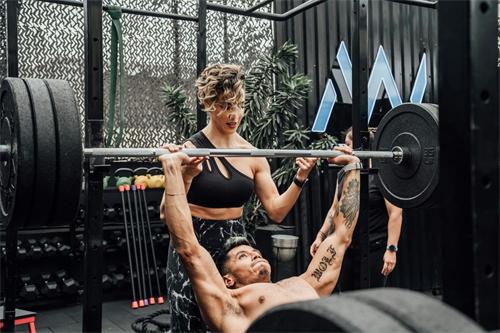
Gyms and home fitness programs have adapted accordingly, offering lighter dumbbells, bodyweight circuits, and resistance bands suitable for all ages. For women in particular, strength training is increasingly seen as essential, not a nice-to-have.
Hybrid Training and Home Workouts
The pandemic has accelerated a long-standing trend: hybrid fitness. People are blending fitness, outdoor activities, and their digital lifestyles at home. Here are some rising stars:
Indoor walking workouts, often accompanied by music, combine cardio with core exercises like boxing or sit-ups. Just 20 minutes can burn nearly 200 calories.
The popular "Run and Tone Workout" on TikTok combines treadmill walking with dumbbell exercises, making it easy to combine cardio and strength training in one workout.
Micro-classes—5- or 10-minute workouts that users can perform throughout the day—fit into busy schedules and explore the benefits of VILPA.
Exercise as a Lifestyle
The common thread in all these trends isn't a single activity, but a shift in mindset. Fitness is no longer confined to the gym or elite athletes. Instead, it's integrated into everyday life and supported by an environment that encourages movement.
The active living movement promotes walkable communities, bike paths, and green spaces, making it easier for people to incorporate physical activity into their daily lives. This design concept suggests that the future of fitness in America may be about urban planning as much as it is about gyms.
Communities are also playing a larger role than ever before. Group walks, neighborhood pickleball leagues, dance studios, and workplace fitness challenges are building networks of accountability and belonging. For many, true victory is not just physical, but social.
Today, the fitness industry is no longer a cookie-cutter gym routine, but encompasses everything from paddleboards and neighborhood walks to home workouts and workplace challenges. Whether it's the social stimulation of pickleball, the mental clarity of a brisk walk, the rhythmic flow of dance, or the strength of weightlifting, the common thread is simple: choose an activity that fits your lifestyle and keeps you coming back.
Fitness in 2025 will no longer be about breaking a sweat; it will be about something smarter, happier, and more connected. The true revolution lies not in any one sport or trend, but in our collective rediscovery: exercise itself is play, and play is health.
Recommended for you: