


Smart Sportswear 2.0: When Your Clothes Become Your Biomechanical Coach
Imagine putting on your workout gear and instantly receiving real-time feedback—not just on your heart rate or calorie burn, but also on your muscle balance, whether your form is optimal, and whether your running form is starting to slip. Imagine your clothes acting like a personal trainer, silently guiding your every move, correcting imbalances, and helping prevent injuries. This isn't science fiction. This is the vision of smart sportswear equipped with textile strain sensors, seamlessly blending fashion, technology, and human biomechanics to redefine how we approach fitness, exercise, and recovery.
What Makes It Smart?
Traditional wearable devices like fitness watches and heart rate monitors provide useful data—step count, heart rate, calories burned—but they offer limited performance insights. Textile strain sensors, however, are woven directly into the fabric, turning your clothing into sophisticated motion and health sensors. These sensors stretch and flex with your body, continuously tracking movement and force, while remaining comfortable and unobtrusive.
Modern smart sportswear combines graphene-based or conductive textile sensors with artificial intelligence to monitor movement in real time. By integrating deep learning models, sportswear can analyze complex movement patterns and identify subtle imbalances or postural abnormalities. Some systems, using neural networks, can classify movement quality with over 90% accuracy, while also providing interpretable insights, such as highlighting areas of tension or fatigue.
But this is just the beginning. Researchers and companies are exploring various approaches:
Fiber-optic strain sensors embedded in fabrics can precisely detect muscle extension and joint angles during exercise. These fibers can even measure subtle deviations from correct posture, providing early warning of fatigue or stress.
Sports bras and leggings embedded with conductive yarns monitor dynamic compression and movement, providing comfort and biomechanical insights. These garments are durable and can withstand repeated washings while maintaining their sensing properties.
New auxetic yarn sensors track stride length and fatigue levels in running leggings, detecting subtle changes in gait and wirelessly transmitting the data to a mobile app.
Distributed sensing fibers enable large-area, multi-joint motion tracking, providing highly accurate data with minimal hardware.
Even everyday clothing can become smart: seams and embroidery can act as invisible capacitive sensors, enabling posture tracking without bulky electronics.
Beyond motion, these fabrics are increasingly integrating sensors for heart rate, respiration, and sweat biomarkers, enabling comprehensive physiological monitoring.
The combination of these technologies allows your clothing to act as a continuous biomechanical coach, tracking movement, fatigue, and performance throughout your workout.
Why is it important?
The value of smart sportswear goes far beyond novelty. These garments have the potential to transform fitness for athletes, casual exercisers, and those recovering from injuries.
Perfect Form and Optimal Breathing
Maintaining correct form during exercises like squats, deadlifts, or lunges is crucial for both efficiency and injury prevention. Smart sportswear can detect asymmetries in muscle activation or abnormalities in breathing patterns and provide immediate feedback. Instead of guessing whether your form is correct, your clothing can guide you in real time, ensuring each exercise is as safe and efficient as possible. This is especially helpful for beginners, who may struggle to maintain proper form without a trainer.
Early Detection of Fatigue Prevents Injury
Most injuries don't occur suddenly—they begin with subtle biomechanical changes. Shortened stride length, uneven weight distribution, or slight deviations in joint angles are often the first signs of fatigue or overuse. Smart clothing can detect these early warning signs and alert users before they become injured. For runners, weightlifters, and athletes, this means less downtime due to sprains, strains, or chronic injuries.
Revolutionizing Rehabilitation
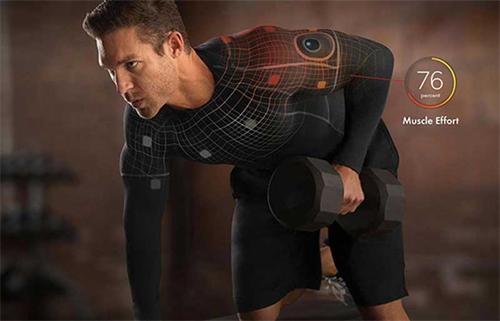
For patients recovering from injuries, successful recovery depends on correct, balanced movements. Smart clothing can provide continuous monitoring without the need for invasive sensors or repeated doctor visits. A simple shirt or pair of tights can guide users to maintain symmetry, track progress, and ensure exercises are performed correctly, reducing the risk of re-injury. In physical therapy settings, therapists can remotely monitor patients' movement and exertion levels, enabling more personalized, data-driven rehabilitation plans.
Everyday Integration and Comfort
The appeal of modern smart sportswear lies in its seamless integration with everyday clothing. Motion-tracking sensors can be incorporated into ordinary shirts, tights, or casual wear, enabling fitness monitoring without the need for a scientific experiment. This approach makes it easier for users to incorporate this technology into their daily lives, providing consistent, unobtrusive feedback whether they're training in the gym, jogging outdoors, or simply moving throughout the day.
Holistic Health Monitoring
Beyond exercise, smart textiles can track heart rate, respiration, body temperature, and sweat composition. These multi-sensor fabrics offer a comprehensive picture of health and performance, providing insights into hydration, fatigue, and metabolic status. Combining physiological data with biomechanical tracking enables athletes and fitness enthusiasts to optimize training, recovery, and overall well-being.
The Future of Smart Sportswear
The smart sportswear sector is rapidly evolving, with several exciting trends on the horizon:
Affordable Mass Market Options
With advancements in manufacturing technology and increased production scale, smart clothing is expected to become more ubiquitous. Affordable smart clothing will soon be accessible to everyone from professional athletes to everyday fitness enthusiasts.
Battery-Free Self-Powered Fabrics
Innovations in energy harvesting technology allow smart textiles to operate without external batteries, harvesting energy from human motion, heat, or ambient light. This not only increases convenience but also reduces environmental impact.
Whole-Body Sensor Networks
Future clothing may integrate motion, physiological, and environmental sensors into a single ecosystem. Whole-body sensing can provide real-time feedback for training, rehabilitation, or workplace ergonomics.
Active Feedback and Haptic Guidance
Some designs are exploring haptic feedback, where subtle vibrations or pressure applied to clothing can guide posture, adjust running gait, or indicate fatigue. This transforms passive clothing into interactive coaches.
Ethical and Privacy Considerations
With the continued collection of data, privacy is paramount. Smart clothing companies must ensure that sensitive health and exercise data is stored securely, giving users full control over access and sharing.
Smart sportswear embedded with textile strain sensors represents a paradigm shift in fitness and health monitoring. By providing real-time feedback on posture, movement, and physiological status, these garments make exercise safer, more effective, and more personalized. They empower athletes, recreational exercisers, and rehabilitation patients, providing insights previously available only in high-tech labs or clinical settings.
As sensors become thinner, more flexible, and more intelligent, the line between clothing and wearable technology is blurring. The future of fitness may well be embedded in the clothing we wear every day. Imagine your shirt correcting your posture, your leggings monitoring your stride, and your bra tracking your core movements—all to keep you comfortable and stylish. In this brave new world of biomechanically intelligent clothing, your clothes won't just protect you from the elements; they'll guide you every step of the way.
Recommended for you: