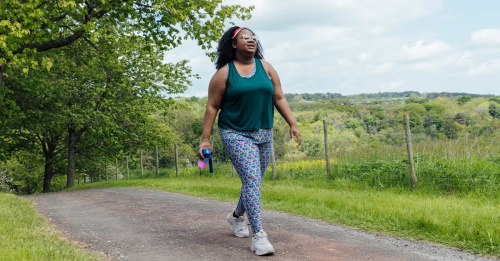



The 6-6-6 Walking Program: A Simple, Effective Way to Get Fit and Burn Fat
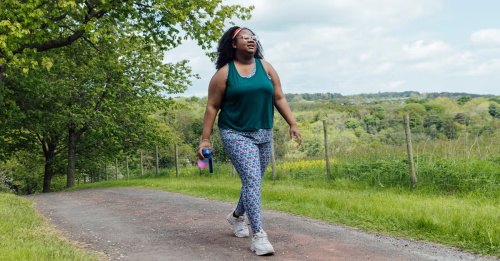
In a world where fitness trends can often feel complicated, expensive, or daunting, the 6-6-6 Walking Program has garnered attention for its simplicity and effectiveness. Popularized on social media platforms like TikTok, this method offers a structured and accessible approach to daily exercise that anyone can adopt, regardless of their fitness level. Unlike high-intensity workouts that can be exhausting or difficult to stick with, the 6-6-6 Walking Program emphasizes consistency, manageable blocks of time, and sustained effort, making it ideal for those with busy schedules. From burning fat and boosting cardiovascular health to improving mental clarity and sleep quality, this walking program offers a path to holistic wellness that seamlessly integrates into daily life.
What is the 6-6-6 Walking Program?
The 6-6-6 Walking Program is a scheduled walking regimen intended to improve general well-being, assist control weight, and support cardiovascular health. This is how it operates:
60-Minute Walk: Enjoy a brisk 60-minute walk at either 6:00 AM or 6:00 PM, depending on your schedule and preferences.
6-Minute Warm-Up: Start with a light warm-up to prepare your muscles and joints for the upcoming activity.
6-Minute Cool-Down: Conclude with a cool-down period to gradually lower your heart rate and stretch your muscles.
This activity is typically performed six days a week, meeting the health authorities' recommended 150 minutes of moderate-intensity physical activity per week.
Health Benefits of the 6-6-6 Walking Habit
1. Effective Fat Burning
Walking vigorously raises your heart rate to Zone 2, which is a fat-burning zone where your body burns fat for energy. This intensity burns a significant portion of fat calories, making the 6-6-6 training method an effective fat-burning activity without the exhaustion of high-intensity training.
2. Cardiovascular Health
Regular brisk walking can improve circulation, lower blood pressure, and minimize the risk of heart disease, stroke, and heart failure, thereby strengthening heart function, especially for older adults.
3. Mental Health
It has been demonstrated that walking lowers tension, anxiety, and sadness. Walking's rhythm and exposure to outdoors can elevate mood and foster mental clarity.
4. Weight Management
Continuous physical activity, such as the "6-6-6 walking plan," helps burn calories and may aid in weight loss or maintenance. When combined with a balanced diet, it can be a powerful tool for achieving and maintaining a healthy weight.
5. Improve Sleep Habits
Walking and other forms of regular physical activity have been linked to better sleep quality. The 6-6-6 pattern can encourage physical exhaustion and lower stress levels, which will result in more peaceful, undisturbed sleep.
6. Enhance Cognitive Function
Regular walking can increase blood flow to the brain, improving memory, concentration, and overall cognitive function. It has also been linked to a lower risk of cognitive decline and conditions like dementia.
Make the "6-6-6" walking strategy a part of your everyday schedule

Morning Walk (6 AM)
Starting the day with a brisk walk can create a positive atmosphere, boost energy levels, and enhance focus throughout the day. Morning walks also expose you to natural light, which helps regulate your circadian rhythm and improve sleep quality.
Evening Walk (6 PM)
A stroll in the evening is a wonderful way to relax after a long day. It helps relieve stress, improves digestion, and prepares you for a restful sleep. It's also more convenient for those with busy morning schedules.
The success of the 6-6-6 walking program lies in its consistency. By doing it six days a week, you'll develop a sustainable habit that seamlessly integrates into your lifestyle.
Expansion Tips for Maximizing Success
1. Start gradually and build momentum
Initiate a 6-6-6 walking program gradually, rather than jumping right into a 60-minute session. Beginners can start with 15-20 minutes of walking and gradually increase as their endurance improves. Some variations suggest walking for six minutes a day, six times a day, six days a week (for a total of 36 minutes). This makes the program adaptable to different fitness levels.
2. Prepare in Advance for Ease of Execution
Preparing your walking clothes, shoes, and gear the night before can eliminate friction, especially for those walking at 6 a.m. Setting an alarm or calendar reminder can also help you stay consistent and avoid missing your session.
3. Prioritize Good Gear and Form
A comfortable and supportive pair of walking shoes is essential for preventing blisters, joint pain, and fatigue. Moisture-wicking socks can also reduce irritation. While walking, maintain good posture—keep your head up, shoulders relaxed, and swing your arms naturally. This improves efficiency and reduces stress on your back and knees.
4. Stay Focused and Moisturized
To make your walks fun, listen to a playlist, podcast, or audiobook. Walking with friends, family, or even pets can increase social commitment and reduce the chances of missing a walk. For solo walkers, mindful walking—focusing on your breathing, your steps, or your surroundings—can serve as a stress-relieving exercise.
5. Add Variety to Your Walks
Monotony can kill motivation. Try adding incline, varying your walking route, or incorporating short, brisk walks to keep things interesting. Even subtle changes in stride length or pace can work different muscle groups and increase calorie burn.
6. Listen to your body and take recovery seriously.
Exerting too hard and too quickly can lead to overuse injuries, such as shin splints or knee pain. If needed, reduce your walking time or take a few days off. Warm-up and cool-down exercises are crucial—they help your body transition smoothly into exercise and reduce the risk of injury and soreness.
7. Be flexible about when to establish your habit; don't be too rigid.
The "6 a.m. or 6 p.m." part of your routine can be motivating, but it's not mandatory. The goal is consistency, not perfection. If morning or evening workouts aren't suitable, choose a time that naturally fits your daily schedule. Walking after meals can also improve digestion and help regulate blood sugar.
8. Track your progress and celebrate milestones.
Tracking steps, distance, or duration can help keep motivation high. Many fitness apps and trackers provide instant feedback. Setting a step goal (such as 6,000 to 7,000 steps in a 60-minute walk) allows you to make measurable progress. Celebrating milestones, whether it's hitting a weekly mark or setting a new distance record, builds long-term motivation.
9. Incorporate other activities into your walks
Walking not only benefits cardiovascular health and burns fat, but combining it with strength training or mobility training creates a more balanced fitness routine. Yoga or stretching after a walk can improve flexibility and recovery, while strength training 2-3 times a week helps maintain muscle and joint health.
The 6-6-6 walking plan offers a simple, effective way to improve your physical and mental health. Making time for this structured walking program every day can boost cardiovascular fitness, manage weight, improve mood, and improve sleep habits. Remember, the path to health is a marathon, not a sprint. Embrace the 6-6-6 walking plan and take steps towards a healthier you.
Recommended for you: