


Primal Fitness: Crawl, Climb, and Jump Like Our Ancestors
In modern society, fitness often revolves around machines, strength training, and structured training programs. However, a growing movement is encouraging us to reconnect with our roots and embrace natural movement patterns—crawl, climb, and jump. Once essential for survival, these movements are now recognized for their significant benefits in building strength, flexibility, and overall health.
Our ancestors had no gyms or personal trainers. Their daily activities required squatting, crawling, climbing, and jumping to hunt, gather, and explore their surroundings. These movements were essential for survival and played a crucial role in the development of the human body as we know it today.
As society progressed, many natural movements were replaced by sedentary lifestyles and artificial exercise. This shift has led to a decline in functional strength and mobility in modern populations. Reintroducing primal movements into our fitness routines can help bridge this gap and restore our bodies to their natural state.
Benefits of Primal Movement
1. Whole-body Strength and Coordination
Primal movements simultaneously target multiple muscle groups, promoting balanced strength development. For example, bear crawls target the shoulders, chest, triceps, core, quadriceps, and glutes, providing a comprehensive workout that enhances coordination and stability.
2. Improved Mobility and Flexibility
Exercises like crawling and climbing require the body to move through different planes and ranges of motion, which improves joint mobility and flexibility. These exercises mimic natural patterns, enhancing the body's ability to move efficiently and avoid pain.
3. Enhanced Cardiovascular Health
Incorporating dynamic primitive movements into your workouts can increase your heart rate and improve cardiovascular health. Exercises like frog jumps and crab walks not only build strength but also provide an effective cardiovascular workout, promoting heart health and endurance.
4. Enhanced Core Stability
Many primitive movements require the engagement of the core muscles for balance and control. Exercises like bear crawls and crab walks strengthen the core muscles, improving stability and posture.
5. Mental and Emotional Benefits
Practicing primitive exercises is fun and challenging, offering a mental break from traditional exercise. The fun nature of these exercises can reduce stress, improve mood, and ultimately boost overall mental health.
Key Primal Exercises and How to Perform Them
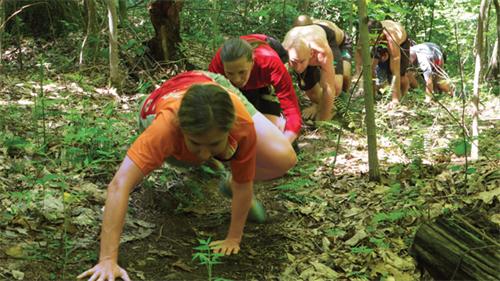
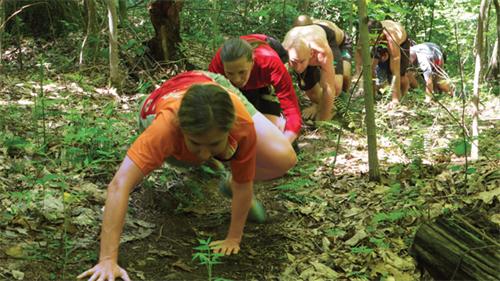
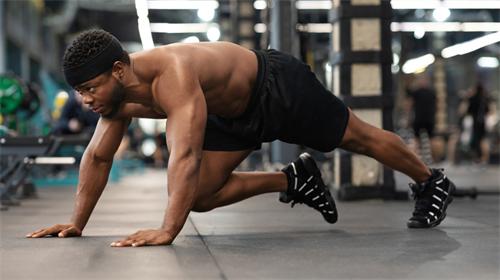
1. Bear Crawl
How to Do It:
Start in a four-legged position with your hands and feet on the ground.
Slightly lift your knees off the ground, keeping your back flat.
Simultaneously move your right hand and left foot forward, then your left hand and right foot.
Continue to crawl forward, maintaining a steady rhythm.
Variations:
Backward Bear Crawl: Move backward to challenge coordination and posterior chain muscles.
Side Bear Crawl: Move sideways to target obliques and hip stabilizers.
Exercise Tip: Perform three sets of 30-60 seconds each, resting 30 seconds between each set.
Benefits: Builds upper body, core, and leg strength; improves coordination and cardiovascular endurance.
2. Crab Walk
How to Do It:
Sit on the ground with your knees bent and feet flat.
Put your hands behind you, fingers pointing toward your feet.
Lift your hips off the ground into tabletop position.
Move your right hand and left foot, then your left hand and right foot, stepping forward.
Variations:
Crab Toe Touch: Extend one arm to touch your other foot as you move to increase core engagement.
Crab Stretch: Extend one arm overhead while holding onto the tabletop to increase shoulder stability.
Exercise Tip: Perform three sets of 20-30 seconds, alternating between forward and reverse positions.
Benefits: Strengthens shoulders, triceps, core, and glutes; improves flexibility and coordination.
3. Frog Jump
How to Do:
Start in a squat with your feet shoulder-width apart.
Jump forward sharply, then land softly, returning to a squat.
Repeat the jumps, focusing on distance and control.
Variations:
Vertical Frog Jump: Jump vertically upward to develop lower body strength.
Side Frog Jump: Jump sideways to improve agility and hip mobility.
Exercise Tip: Perform 3 sets of 10-15 jumps, resting for 30-45 seconds in between.
Benefits: Builds lower body strength and stamina; improves cardiovascular fitness.
4. Duck Walk
How to:
Deeply squat, keeping your chest and back lifted.
Step one foot forward, then the other, maintaining the squat position, and waddle forward.
Keep the movement slow and controlled.
Variations:
Weighted Duck Walk: Hold light dumbbells or kettlebells for added resistance.
Wide Stance Duck Walk: Use a wide stance to increase hip and groin engagement.
Exercise Tip: Walk 20-30 meters, rest, then repeat 3-4 times.
Benefits: Improves hip flexibility and lower body strength.
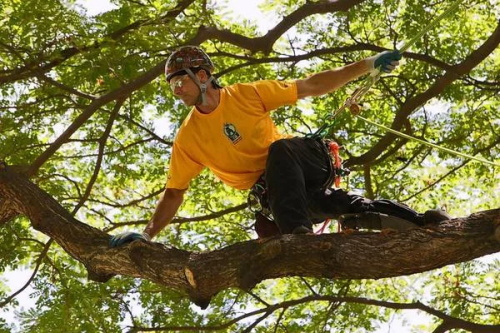
5. Tree Climbing
How to:
Find a tree with low, sturdy branches.
Reach out with both hands to grasp the branches.
Use your legs to push yourself upward, alternating between your hands and feet as you climb.
Continue climbing, focusing on grip strength and coordination.
Variations:
Rope Climbing: If a rope is available, use both upper and lower body strength to climb.
Overhanging Branch Climbing: Climbing slightly inclined or overhanging branches can increase the difficulty.
Training Tip: Climb 2-3 times per session, focusing on grip and control.
Benefits: Builds upper body strength and coordination; provides a full-body workout.
Why This Approach is Different?
Primal fitness differs significantly from traditional exercise methods in that it emphasizes the natural, functional movements our bodies are designed to perform. Unlike traditional exercises, which often isolate specific muscle groups, Primal movements simultaneously target multiple muscle groups, improving overall strength and coordination.
1. Functional Strength Over Isolation
Traditional strength training often isolates specific muscles, leading to imbalances and functional strength deficits. Primal movements, on the other hand, simulate real-life activities, engaging multiple muscle groups in a coordinated manner. This approach builds overall strength and helps prepare the body for everyday tasks and challenges.
2. Improves Mobility and Flexibility
Many modern exercises overlook the importance of flexibility and mobility. Primal exercises incorporate a full range of motion, promoting joint health and muscle flexibility. Exercises like crawling and climbing require movement in all planes, improving overall mobility and reducing injury risk.
3. Improves Coordination and Balance
Primal exercises integrate multiple muscle groups, challenging coordination and balance. Exercises like bear crawls and crab walks strengthen the core and stabilizer muscles, improving overall balance and body awareness.
4. Mental Engagement and Playfulness
Primal fitness promotes an engaging and educational approach to exercise, making it more enjoyable and less tedious. Dynamic exercises like frog jumps and tree climbing stimulate the mind, reduce stress, and improve mental well-being.
5. Suitable for All Fitness Levels
A major advantage of Primal fitness is its adaptability. Whether you're a beginner or an advanced athlete, Primal exercises can be adapted to suit your individual fitness level. Starting with basic movements and gradually increasing intensity allows everyone to progress at their own pace.
As the fitness industry continues to evolve, the importance of functional movement is increasingly recognized. Primal fitness emphasizes the body's natural capabilities, encouraging people to move in effective and enjoyable ways.
By embracing Primal movement, we can cultivate a fitness habit that not only enhances physical health but also reconnects us to our ancestral roots. This approach promotes a holistic approach to fitness that encompasses strength, flexibility, and mental well-being.
Primal fitness stands apart from traditional exercise methods, emphasizing natural, functional movements. Crawling, climbing, and jumping are not only fundamental to human development but also offer numerous benefits for overall health and fitness. Incorporating these movements into daily life can enhance physical fitness, improve quality of life, and rediscover the primal essence of human movement.
Recommended for you: