


Gen Z Fitness Spending Surges: Health Prioritizes Streaming
A Clear Shift in Consumption Habits
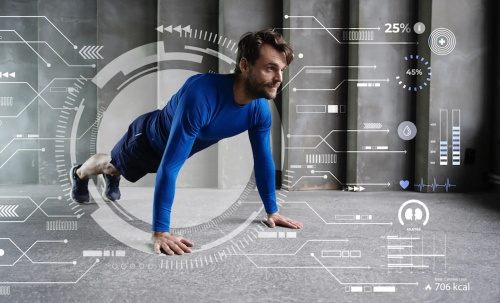
Recent research indicates a significant shift in Gen Z discretionary spending, with fitness becoming a top priority, surpassing traditional leisure activities.
In the UK, 44% of 16-28 year-olds rank fitness as one of their top two spending priorities, surpassing streaming services, dining, or nightlife. This trend suggests a long-term investment in health, rather than short-term entertainment.
Average monthly fitness spending has risen to £48.81, a 17% year-on-year increase, highlighting Gen Z's willingness to pay more for wellness services and products.
In the US, Gen Z households spend 2.8 times more on fitness than baby boomers, with gym spending increasing 7% year-on-year. These figures demonstrate both the economic power of this group and a cultural shift, highlighting a new generation that defines success by well-being, rather than material possessions.
This shift suggests that fitness is not a passing fad but a deeply ingrained lifestyle that is reshaping how brands, gyms, and wellness providers engage with young consumers.
Cutting Down on Streaming, Prioritizing Health
One of the most notable characteristics of Gen Z consumption is their conscious reduction in entertainment spending in favor of a focus on wellness.
During times of economic stress, 36% of Gen Z and Millennials say they cut subscriptions like streaming services in order to purchase healthier food options or gym memberships.
This shift suggests a greater emphasis on long-term health over instant gratification. It also highlights a behavioral trend: Gen Z prioritizes self-investment over passive consumption when allocating budgets.
The broader implication is that health and wellness are no longer "luxuries" for young consumers—they are an integral part of daily life, influencing purchase decisions in categories like apparel, technology, and nutrition.
Fitness Becomes a Lifestyle and Social Hub
For Gen Z, fitness is more than just exercise—it's a lifestyle that interweaves wellness, community, and social engagement.
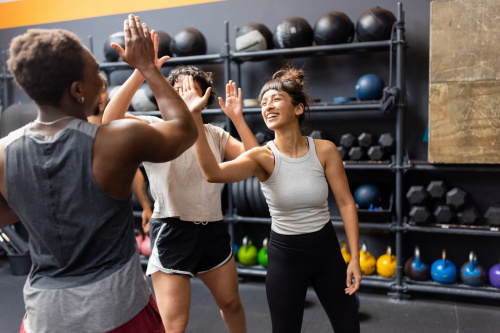
Memberships are surging at luxury gyms, offering amenities like saunas, eucalyptus-scented showers, in-gym cafes, and coworking spaces. These environments serve dual functions: fitness and social relaxation. For many young people, the gym has become a "second home"—a place where they can work, relax, and connect.
Approximately 27% of 18-24-year-olds consider owning a gym or having a regular membership essential, highlighting a cultural shift toward equating health with personal responsibility.
Beyond the physical benefits, 87% of Gen Z participants say regular exercise improves their mental health, and 50% believe it helps foster meaningful friendships. In an era of growing mental health challenges, the social and psychological value of fitness cannot be underestimated.
This multidimensional approach to wellness reflects Gen Z's broader philosophy that health is holistic, encompassing mind, body, and community.
Embracing Hybrid Fitness and Tech Integration
As the first generation to grow up fully immersed in technology, Gen Z expects digital and physical fitness experiences to seamlessly blend.
Seventy-two percent of regular Gen Z exercisers adopt a hybrid fitness model, combining gym classes with online courses or app-guided workouts. This approach offers flexibility and allows users to maintain consistency regardless of their location or schedule.
CrossFit participants increased their weekly workouts by 67%, demonstrating that technology can boost engagement and adherence.
AI-powered fitness tools are now ubiquitous, with 64% of Gen Z using digital platforms to track progress, personalize workouts, or access virtual coaching. Despite this high adoption rate, privacy concerns remain: 55% worry about their data being misused, and 38% express concerns about over-reliance on technology.
By integrating technology with fitness, Gen Z is creating a new norm in which digital and physical tools work together to optimize results, boost motivation, and increase retention.
Holistic Wellness and a Maximalist Approach
For Gen Z, wellness isn't a siloed concept; it's a holistic lifestyle.
Their wellness regimen encompasses strength training, cardio, mental health, nutrition tracking, sleep optimization, and community engagement. Each element is designed to reinforce each other, creating a self-reinforcing cycle of wellness.
McKinsey describes them as "maximizers," digitally savvy individuals who actively try new wellness products, apps, and methods to achieve holistic balance.
In the United States, Gen Z and Millennials make up 36% of the adult population but account for 41% of annual wellness spending, demonstrating the scale and influence this demographic has on the industry.
This holistic approach is fundamentally reshaping the fitness landscape, prompting gyms, studios, and brands to offer integrated solutions rather than isolated services.
Influencers and Social Commerce
Social media is central to Gen Z's fitness journey, serving as both a source of inspiration and a marketplace.
Over 70% of Gen Z consume free fitness content from influencers, and 76% turn to these sources for at-home fitness guidance. The combination of authenticity, relevance, and accessibility makes influencers a powerful driver of user behavior.
Social commerce platforms like TikTok Shop have become a crucial channel for purchasing fitness and wellness products. Among active users, 52.5% browse health and fitness products monthly, and health/beauty products account for nearly 80% of total sales.
Brands that leverage influencer partnerships and authentic storytelling experience higher engagement, stronger loyalty, and higher conversion rates among this demographic.
The intersection of social media, commerce, and fitness reflects Gen Z's preference for community-driven, interactive, and personalized experiences.
Future Market Opportunities
Gen Z represents a golden opportunity for brands and fitness providers.
83% of students plan to invest in fitness-related products or memberships by early 2025, preferring flexible monthly subscriptions over upfront payments.
While 46% of people exercise year-round, 62% do not have a gym membership, highlighting a potential untapped market of millions in the UK and US.
Digital engagement, personalization, and authentic brand messaging are crucial to attracting and retaining Gen Z customers. They crave solutions that embody their values—convenience, wellness, community, and transparency.
For providers, the key takeaway is that success lies in flexibility, accessibility, and healthy integration across digital and physical platforms.
Long-Term Cultural Impact
This shift driven by Gen Z will redefine the fitness industry in the coming years:
Prioritizing wellness over traditional leisure activities signals a cultural shift with both economic and social implications.
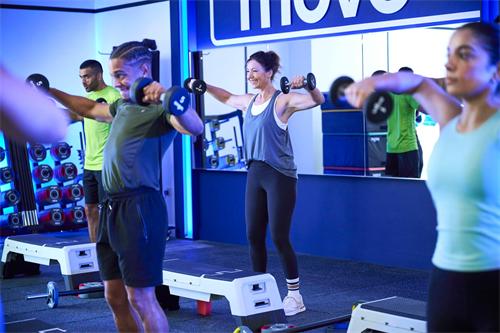
Gyms are become more than simply places to work out; they are wellness centers, social hubs, and hybrid settings with social, emotional, and psychological advantages.
Brands, apps, and studios that prioritize holistic wellness, social engagement, and technology integration will be best positioned to capture this growing market.
By understanding the values and behaviors of Generation Z, the fitness industry can not only survive but thrive in the era of the health-conscious consumer.
Gen Z is actively reshaping consumer priorities, emphasizing wellness, community, and technology. Today, fitness habits integrate physical, digital, nutritional, and spiritual aspects, embodying a holistic lifestyle.
Influencers, social commerce, and AI-powered tools are influencing their purchasing decisions, creating new channels for engagement and brand loyalty.
This demographic holds significant economic power, and brands that prioritize flexibility, authenticity, and holistic wellness are best positioned for long-term success.
For Generation Z, wellness isn't a nice-to-have; it's a lifestyle. Their values are reshaping the fitness industry, redefining what it means to live a healthy life in the 21st century, and demonstrating that investing in oneself is paramount.
Recommended for you: