


Beyond Reps and Miles: How Mind-Body Techniques Are Transforming Modern Fitness
In the fast-paced world of modern fitness, wellness means more than counting reps or logging miles. More and more people are exploring mind-body techniques that integrate mental, emotional, and physical well-being. From sound baths to stretch flows, these popular practices are transforming traditional fitness routines, offering a wide range of benefits, from stress reduction and improved sleep to increased flexibility and strength.
Whether you're a seasoned athlete or a casual fitness enthusiast, these practices can bring balance, restoration, and focus to your workout journey.
Sound Baths: Immersed in Healing Frequencies
What is a sound bath?
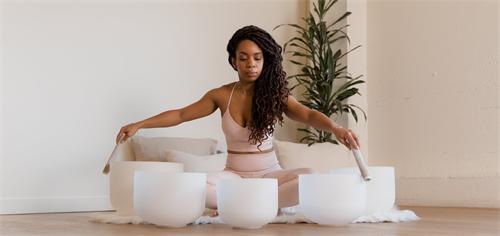
A sound bath is a meditative experience in which participants are enveloped in the soothing sounds of instruments such as crystal singing bowls, gongs, wind chimes, and tuning forks. Unlike traditional baths, there's no water involved. Instead, the "bathing" refers to the sound waves washing over the body and mind, creating a feeling of deep relaxation.
Sessions are typically held in a tranquil setting, where participants lie on a mat or blanket, close their eyes, and fully immerse themselves in the healing experience. It's believed that the vibrations produced by the instrument resonate with the body's cells, promoting physical and emotional healing.
How Sound Baths Work?
Sound baths offer more than just calming effects; their roots lie in the scientific principles of vibration and frequency. Sound waves can influence brainwave activity, shifting the brain from a tense or overactive state to a state of relaxation. Specifically, these sessions often encourage the production of alpha and theta waves, which are associated with calmness, creativity, and deep meditation.
This process activates the parasympathetic nervous system, often referred to as the "rest and digest" system, allowing the body to slow down its heart rate, release tension, and restore balance.
Benefits of Sound Baths
Reduced Stress: Exposure to soothing frequencies can lower cortisol levels and help calm the mind and body.
Improved Sleep: Many participants report falling asleep more easily and experiencing deeper, more restorative sleep after regular sessions.
Emotional Clarity: Vibrations can help release emotional blockages, promoting a sense of mental clarity and emotional balance.
Enhanced Focus: By calming mental distractions, sound baths can improve focus and mental clarity, making it easier to approach daily tasks with a calm and focused mind.
Practical Tips for Maximizing Your Sound Bath Experience
Set the Mood: Dim the lights, use a comfortable mat or cushion, and wear loose, comfortable clothing.
Be Present: Focus on your vibrations and breath rather than trying to analyze the experience.
Journaling: After the session, take a few minutes to record your thoughts or reflections. This will help you incorporate relaxation and emotional release into your daily routine.
Consistency is Important: As with any wellness practice, regular practice maximizes its benefits, so a weekly practice is ideal for most beginners.
Stretch Flow: Fluid Movements for Flexibility and Strength
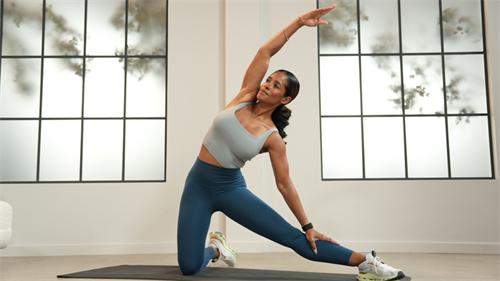
Learn Stretch Flow
Stretch Flow is a continuous series of movements that blends elements of yoga, Pilates, and dynamic stretching. Unlike static stretches, which focus on holding a pose for a fixed time, stretch flows involve fluid movements that simultaneously enhance flexibility and strength.
Key to stretch flows is mindfulness: moving intentionally, synchronizing your breath with the movements, and paying attention to alignment and form.
Creating Your Stretch Flow
Stretch Flow classes can be customized to suit your personal goals, fitness level, and schedule. A typical flow includes:
Gentle Warm-Up: Begins with slow, mindful movements to encourage blood flow and gently awaken muscles. Exercises may include neck rotations, shoulder shrugs, or gentle torso twists.
Dynamic Stretching: Incorporates movements like leg swings, arm circles, or hip openers to improve range of motion.
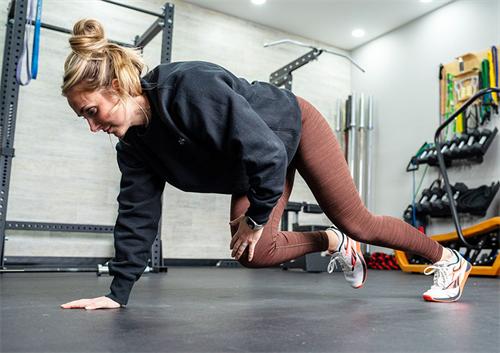
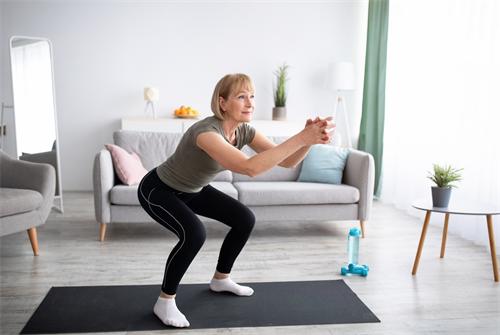
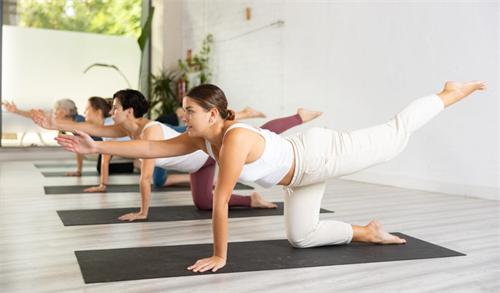
Strength-Building Poses: Includes exercises that challenge stability and strengthen core muscles, such as lunges, planks, or standing balance poses.
Cool-Down and Breathing: Concludes with deep stretches and focused breathing to relax the body and calm the nervous system.
Benefits of Stretch Flow
Flexibility and Mobility: Regular practice improves joint flexibility and muscle elasticity, reducing the risk of injury.
Strength and Endurance: Weight-bearing exercises like lunges, planks, and push-ups strengthen muscles and improve endurance.
Posture and Alignment: Stretch Flow helps correct muscle imbalances, supports correct posture, and reduces tension-related discomfort.
Mindfulness and Stress Relief: Synchronizing breathing with movement promotes mental clarity and emotional calm, similar to meditation in motion.
Stretch Flow Variations
Morning Energy Flow: Focuses on activating muscles and boosting circulation to energize the day.
Post-Workout Recovery Routine: Targets muscles worked during cardio or strength training to promote recovery and flexibility.
Evening Relaxation Routine: Slow, gentle sequences release accumulated tension from the day and prepare the body for sleep.
Other Popular Mind-Body Techniques
In addition to sound baths and stretch flows, several other practices are gaining popularity in the fitness world:
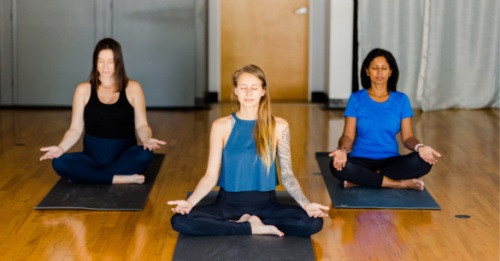
1. Guided Meditation Training
These sessions combine meditation with gentle movements or yoga.
Benefits include stress reduction, improved focus, and greater self-awareness.
2. Breathing and Pranayama
Focused breathing techniques can regulate energy, calm the nervous system, and improve oxygen flow.
Practicing breathing techniques before a workout can enhance endurance and mental clarity.
3. Floatation Therapy
Sensory deprivation tanks are used to reduce external stimuli and achieve complete relaxation and recovery.
Many athletes use floatation therapy for muscle recovery and mental rejuvenation.
4. Qi Gong & Tai Chi
An ancient Chinese practice that combines slow movements, breathing, and meditation.
Promotes balance, flexibility, mental focus, and overall vitality.
Integrate Mind-Body Techniques into Your Fitness Routine
The beauty of mind-body techniques is their flexibility—they can complement nearly any fitness routine:
Schedule a Weekly Session: Set aside one day a week for a sound bath, meditative exercise, or flotation therapy.
Incorporate into Your Daily Routine: 15-30 minutes of stretching, yoga, or Tai Chi can enhance daily activities and reduce tension.
Use as Recovery: Mind-body practices can serve as active recovery between intense cardio or strength training sessions.
Experiment and Personalize: Try different practices to find what resonates most, whether it's sound healing, dynamic stretching, or breath-centered meditation.
Mind-body techniques are more than just a trend; they're a pathway to holistic well-being. Incorporating sound baths, stretch flows, and other mindfulness practices into your daily routine can improve both physical function and emotional well-being.
By creating a balanced approach that incorporates movement, breathing, and mental focus, you can reduce stress, increase flexibility, build strength, and develop a deeper connection with yourself. Fitness is no longer just about physical gains; it's about cultivating a lifestyle that nourishes your body, mind, and spirit.
Start small, try different exercises, and notice how your mind and body respond. Everyone's path to holistic fitness is unique, but the benefits are universal: greater resilience, increased energy, clearer thinking, and a renewed sense of balance.
Recommended for you: