


Strength Training for Seniors: Maintaining Independence Through Smart Movement
Aging gracefully means more than just looking youthful; it means feeling strong, confident, and able to live life on your own terms. For many older adults, maintaining independence is a major concern: being able to stand up from a chair, carry groceries, climb stairs, or play with grandchildren. These everyday activities may seem simple, but they are based on muscle strength, balance, and flexibility.
Unfortunately, age-related muscle loss (called sarcopenia) begins as early as the 30s and accelerates after age 60. Without intervention, this gradual weakening of muscles can make once-easy tasks more difficult and increase the risk of falls, injury, or dependency. The good news is that this decrease may be slowed or even reversed with regular, safe strength exercise.
Many fitness experts who work with older adults say, "Muscle is the asset of independence." By practicing sensible, targeted exercise, older adults can maintain their strength, protect their bones, and stay active in their later years.
Why strength training becomes more important with age?
Strength training isn't just for athletes or bodybuilders. For seniors, exercise is a lifeline for maintaining health and self-reliance. Here are its key benefits:
1. Prevents Muscle Loss and Weakness
After age 30, our muscle mass naturally decreases by 3-8% every decade. By age 70, this loss can significantly impact walking speed, grip strength, and posture. Strength training directly combats this loss of muscle mass by stimulating the rebuilding of muscle fibers, making them stronger.
2. Protects Bones and Joints
Weight-bearing and resistance training strengthen bones and help prevent osteoporosis. Strong muscles also protect joints, relieve arthritis pain, and improve range of motion.
3. Reduces Fall Risk
One of the main causes of injuries among the elderly is falls. Strengthening your legs, core muscles, and balance system helps maintain stability and agility, reducing the risk of falls by up to 40%.
4. Boosts Energy and Metabolism
Muscle burns more calories at rest than fat, meaning strength training can increase metabolism, prevent unwanted weight gain, and boost overall energy.
5. Support Mental and Emotional Health
Exercise promotes the release of endorphins, often called the "feel-good hormone." Older adults who participate in resistance training often report reduced anxiety, improved mood, and sharper cognitive function.
Creating a Safe and Effective Strength Training Program for Older Adults
One does not need a gym membership or costly equipment to implement a well-designed training program. Exercises that are safe, useful, and progressive should be the main focus. The following is a framework that older individuals can adhere to:
Step 1: Warm Up (5-10 minutes)
Your heart rate might rise and your muscles can be primed with little activity. Great warm-ups include arm circles, ankle rotations, and walking in place.
Step 2: Strength Training (20-30 minutes, 2-3 times per week)
Choose 6-8 exercises that target major muscle groups. Perform 1-3 sets of 8-12 reps. Rest between sets as needed.
Sample Routine:
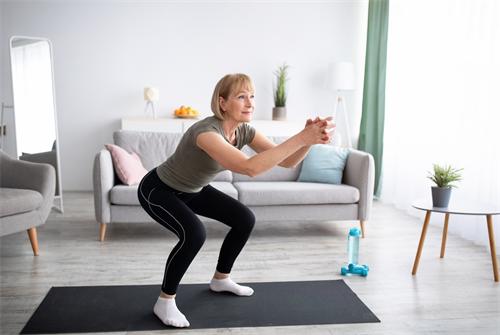
● Chair Squats (Legs, Core, Balance)
● Wall Push-ups (Chest, Arms, Shoulders)
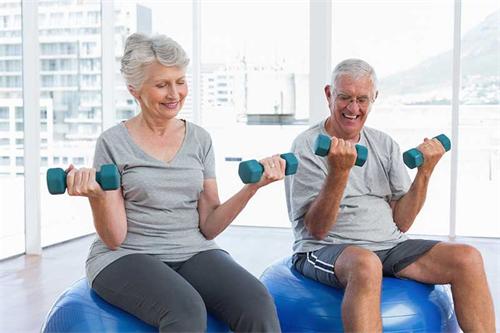
● Seated Dumbbell Shoulder Press (Upper Body Strength)
● Bicep Curls with Dumbbells or Cans (Arms)
● Seated Leg Extensions (Quadriceps, Knee Health)
● Resistance Band Rows (Back, Posture)
● Calf Raises (Ankles, Calves, Balance)
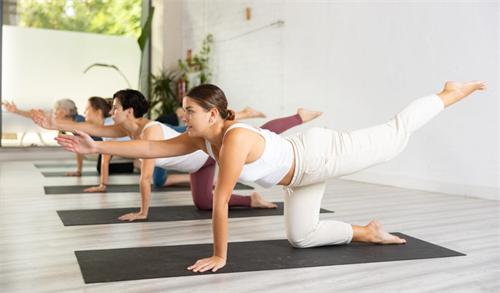
● Bird Dog (Hands and Knees) (Core, Stability)
Step 3: Balance Training (5-10 Minutes)
● Single-Leg Stands (Holding onto a Chair for Support)
● Heel-to-Toe Walks (Like a Tightrope Walker)
Step 4: Flexibility and Cooldown (5-10 Minutes)
Finally, gently stretch your shoulders, hips, hamstrings, and calves to improve flexibility and reduce stiffness.
Functional Training: Moving Better in Everyday Life
While traditional exercise is beneficial, older adults should also engage in functional movements—movements that simulate daily activities. This method increases their level of independence in everyday circumstances.
Examples include:
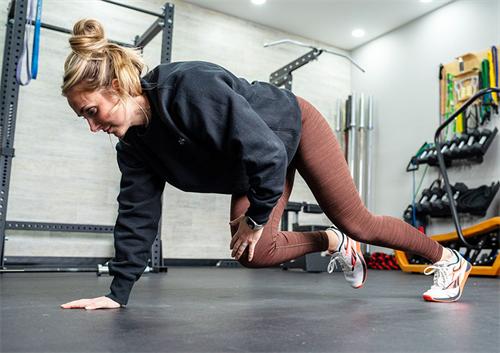
● Stepping: simulates climbing stairs.
● Carrying shopping bags: builds grip and core strength.
● Sitting-to-standing repetitions: improves the ability to rise from a chair without assistance.
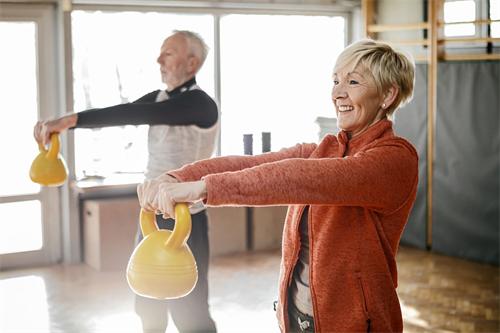
● Lifting light weights: Lifting light weights can be used to mimic reaching for goods from a shelf or putting groceries away.
By reinforcing these patterns, seniors can prepare their bodies for the most important activities of daily life.
Safety First: A Guide to Exercise for Seniors
Safety always comes first, even if strength training is one of the best strategies for seniors to keep their independence. Always get medical advice before beginning a new fitness regimen, particularly if you have long-term health issues like osteoporosis, heart disease, or arthritis. Having a doctor's permission guarantees that the workouts you select are suitable and customized to meet your specific health requirements.
Another important aspect of safety is to start with little resistance. Initially, it's usually enough to use bodyweight, resistance bands, or really light dumbbells. This enables seniors to concentrate on proper form and technique before progressively raising the level of difficulty. Moving slowly and in a controlled manner can further reduce the risk of injury while increasing the effectiveness of each movement. Proper breathing during exercise is also crucial—exhaling when lifting and inhaling when lowering—helps regulate blood pressure and maintain rhythm.
Perhaps most importantly, older adults should closely monitor their physical condition. Mild muscle soreness after exercise is normal and indicates progress, but severe or persistent pain suggests it's time to stop and seek advice. By being patient, pacing exercises, and paying attention to exercise form, older adults can safely increase strength while minimizing risk.
Nutrition
Exercise alone is not enough to maintain muscle mass and independence; proper nutrition plays a crucial supporting role. Older adults typically require more protein than younger adults to help repair and rebuild muscles after training. Spreading protein evenly throughout the day—about 20 to 30 grams per meal—ensures a steady supply of nutrients. Foods such as lean meats, fish, eggs, beans, tofu, and Greek yogurt are good choices and can be replenished regularly.

Hydration is equally important, as dehydration can lead to fatigue, dizziness, and poor performance during exercise. Many older adults may not feel thirsty as much as they once did, so making it a habit to drink water throughout the day is crucial. Additionally, nutrients like calcium and vitamin D contribute to bone health, while omega-3 fatty acids from fish, walnuts, or flaxseeds can reduce inflammation and improve joint function.
Food is the fuel that powers every movement and the building block for every strong muscle. By combining proper nutrition with regular strength training, older adults can not only strengthen their bodies but also increase their resilience, vitality, and independence.
Stay Motivated
The most difficult aspect is not starting but continuing. The following are some methods to help you keep on course:
Set small, achievable goals: Don't set goals like "I want to get fit," set goals like "I want to do 10 squats without holding onto a chair."
Track Progress: Use a notebook or app to log repetitions and record improvements.
Socialize: Join a community fitness class, senior center, or go for a walk with friends.
Celebrate Wins: Every extra repetition, every easier walk, every pain-free movement is a victory.
The Bigger Picture: Achieving Independence Through Movement
Strength training isn't just exercise; it's an investment in independence. When you can independently rise from a chair, carry a shopping bag, or walk with confidence, you're not only stronger, but also freer.
Doctors, physical therapists, and coaches all agree: Seniors who prioritize strength maintain greater independence, lower healthcare costs, and enjoy a better overall quality of life.
You don't have to spend hours at the gym for this. Your future may be changed by doing reasonable exercise for 20 to 30 minutes two to three times a week.
Aging doesn't mean losing independence. With the right strength training, balanced nutrition, and sustained motivation, seniors can stay active and enjoy the activities that make life more meaningful.
Whether playing with grandchildren, traveling, gardening, or simply living without fear of falling, the foundation remains the same—strength gained through smart movement.
It's never too late to start. Every squat and press is a step toward independence, freedom, and a healthier tomorrow.
Recommended for you: