


Mind-Body Movement: Yoga, Tai Chi, and Breathing Practices for Better Focus
Having mental focus might feel like a rare privilege in today's hyperconnected society. Amidst a constant barrage of notifications, hectic work schedules, and daily stress, many struggle to find clarity and balance. Despite rapid technological advancements, the ancient wisdom of mind-body practices like yoga, Tai Chi, and breathwork continues to offer proven, effective solutions. These practices are more than just stretching the body or slowing the breath; they are a holistic approach to cultivating focus, concentration, and resilience.
What is a mind-body practice?
Mind-body practice is unique in that it doesn't treat the mind and body as separate entities. Instead, it interweaves intentional movement, controlled breathing, and focused awareness. Unlike high-intensity training that focuses primarily on physical performance, mind-body practice encourages introspection and fosters a sense of harmony between physical, emotional, and mental states. The key lies in three elements:
● A deliberate movement is a well considered posture or movement pattern.
● Breath control—using inhalation and exhalation to guide the nervous system.
● Mental Focus – Cultivate concentration to eliminate mental distractions.
Yoga
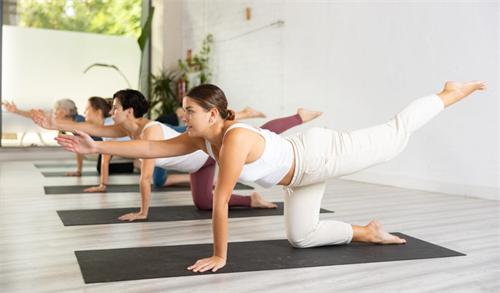
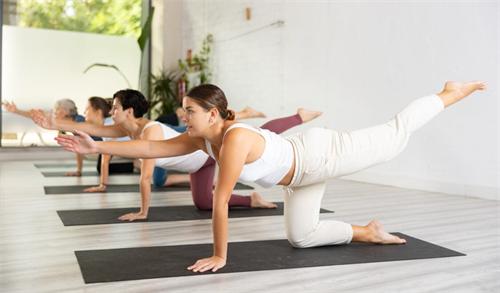
Yoga's origins date back over 5,000 years to India, where it began as a spiritual practice. Today, yoga is known worldwide for its flexibility and strength, but its deeper appeal lies in its ability to enhance mental focus.
In yoga, focused breathing goes hand in hand with each pose. This synchronization diverts focus from racing thoughts and returns it to the here and now. Scientific research shows that regular yoga practice can enhance activity in the prefrontal cortex—the area of the brain responsible for attention, decision-making, and problem-solving.
The parasympathetic nervous system, generally known as the "rest and digest" mode, is also stimulated by yoga. This lowers the stress hormone cortisol, which makes it simpler to maintain composure under duress.
Mindfulness Yoga
Hatha Yoga: With its slow pace, it's suitable for beginners and those seeking mindful awareness.
Vinyasa Flow: Breath-related exercises that train attention through flowing sequences.
Restorative Yoga: Long periods of gentle postures can achieve deep relaxation and relieve stress.
Simple Routines
● Mountain Pose Breath Awareness Exercise (2 minutes): Stand upright, breathe deeply, and observe.
● Sun Salutation (5 minutes): A flowing sequence connecting breath and movement.
● Seated Forward Bend (2 minutes): Calms the nervous system.
● Alternate Nostril Breathing (3 minutes): Balances the cerebral hemispheres and improves focus.
● Even 10 to 15 minutes a day can improve focus and emotional balance.
Tai Chi
Originating in China, Tai Chi is a martial art that blends graceful, slow movements with mindful breathing. Its philosophy is deeply rooted in Taoist principles of balance and flow and is often described as dynamic meditation.
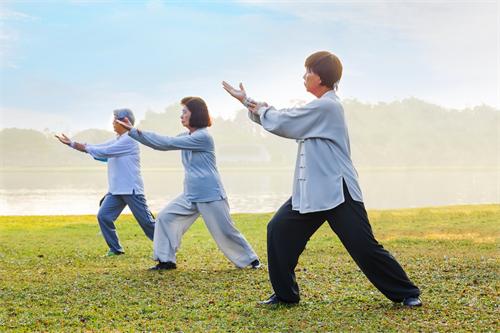
Tai Chi's slow, focused movements require complete concentration. Practitioners must focus on the fluidity of posture, breathing, and movement, leaving no room for thought. Over time, this develops greater mental discipline and focus.
Modern research suggests that Tai Chi can improve memory, concentration, and problem-solving skills. In fact, some studies suggest that Tai Chi may help prevent cognitive decline in older adults.
The soothing effects of tai chi are also well-known. Its motions trigger the parasympathetic nerve system, which decreases blood pressure and tension. Many practitioners say they feel calmer, more at ease, and more focused afterward.
Mini Tai Chi for Beginners
● Starting Position: Stand upright with arms relaxed and breathe deeply.
● Pushing the Horse's Mane: Gently sweep your arms in sync with your breathing.
● Ending Position: Return to stillness and breathe naturally.
● Practice for just 10 minutes to clear your mind from a chaotic state.
Breathing
Breathing is often overlooked, but it's the most direct tool we have to influence our nervous system. Breathing exercises are mindful breathing techniques designed to shift energy, regulate emotions, and enhance focus.
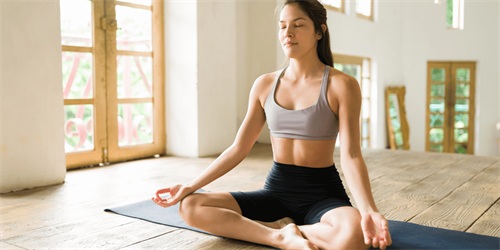
How we breathe influences the balance between the sympathetic nervous system ("fight or flight") and the parasympathetic nervous system ("rest and digest"). Rapid, shallow breathing can increase anxiety, while slow, deep breathing activates the relaxation response. By learning to regulate our breathing, we can directly control our stress levels, improve mental clarity, and enhance emotional balance.
Breathing Exercises for Focus and Calmness
● Box Breathing: Inhale for 4 counts, hold for 4 counts, exhale for 4 counts, and hold for 4 counts. This Navy SEAL technique is excellent for focusing under pressure.
● 4-7-8 Breathing: Inhale for 4 counts, hold for 7 counts, and exhale for 8 counts. This is great before bed or to relieve anxiety.
● Kapalabhati (Skull Shine Breath): Exhale in short, powerful breaths through the nose. This replenishes energy and clears mental fog.
● One-Minute Rescue Breathing: Inhale for 4 counts, hold for 2 counts, and exhale for 6 counts. This is excellent for instantly calming the nerves.
● Unlike exercises like yoga or tai chi, which require long-term practice to see results, breathing exercises can instantly transform mood and focus. In just 60 seconds, mindful breathing can lower your heart rate, reduce stress hormones, and improve mental clarity.
Why Mind-Body Practices Are So Important Today?
In this age of multitasking and information overload, focus is becoming as important as physical strength. Mind-body practices offer a unique solution because they train both the body and the mind.
Stress Relief: These practices can activate the parasympathetic nervous system, reduce anxiety, and promote calmness.
Cognitive Enhancement: Studies show that yoga, tai chi, and breathing exercises can improve memory, concentration, and decision-making.
Emotional Balance: Mindfulness cultivated through exercise can enhance resilience to stress and mood swings.
Physical Health: Better posture, balance, flexibility, and cardiovascular fitness.
Practical Methods for Mind-Body Training
You don't need to invest a lot of time or own a studio to reap the benefits. Here are some practical ways:
Morning Ritual: Start your day with a 5-minute breathing exercise and a 10-minute yoga stretch.
Workday Reset: Step away from your desk during lunch for 10 minutes of tai chi.
Evening Relaxation: Release the stress of the day with restorative yoga and slow breathing.
Mix and Match: Combine one technique from each tradition (5 minutes of yoga, 5 minutes of tai chi, 5 minutes of breathing exercises) to create a complete practice.
Even taking a small daily medication can refocus your attention and improve how you cope with stress.
The Future of Wellness
While yoga studios and tai chi groups have been popular for decades, they've seen a surge in digital adoption. Apps and online platforms offer guided breathing sessions, virtual yoga classes, and even tai chi tutorials. As research increasingly confirms the cognitive and emotional benefits of these practices, they are being incorporated into schools, workplaces, and healthcare programs.
Some companies now offer midday yoga or tai chi sessions to boost employee productivity. Meanwhile, therapists and mental health experts recommend breathing exercises to manage anxiety, demonstrating that these ancient techniques are evolving into modern wellness essentials.
Yoga, tai chi, and breathing exercises remind us that mental focus comes not from trying harder but from slowing down and tuning in. These practices strengthen the body, calm the mind, and teach us to use the breath as a tool for clarity and resilience.
In a world of endless distractions, embracing mind-body movement can transform the way we work, think, and live. Whether you commit to 10 minutes or an hour, the path to clearer focus and inner peace begins with a breath, a focused pose, or a slow, flowing movement.
Recommended for you: