


Microworkouts for Busy Lives: 10-20 Minute Energy Burn
In today's fast-paced world, finding time for a long workout can seem impossible. However, microworkouts—short bursts of intense exercise lasting 10 to 20 minutes—are becoming a practical solution for staying healthy on a busy schedule. These brief, effective workouts offer numerous benefits, making them an attractive option for those looking to stay active without spending hours at the gym.
What are Microworkouts?
Microworkouts, also known as "exercise snacks," are short bursts of physical activity that can be performed multiple times a day. These workouts typically last 10 to 20 minutes and can include a variety of exercises, such as bodyweight exercises, high-intensity interval training (HIIT), or targeted muscle training. The key is maximizing the effectiveness of your workouts within a compact timeframe, resulting in significant health benefits without a significant time commitment.
Why Microworkouts Work: Research Reveals?
Researchers at Georgia State University found that 10-minute workouts three times a week can increase endurance by nearly 20% and improve insulin sensitivity. They came to the conclusion that a modest investment can have a significant impact.
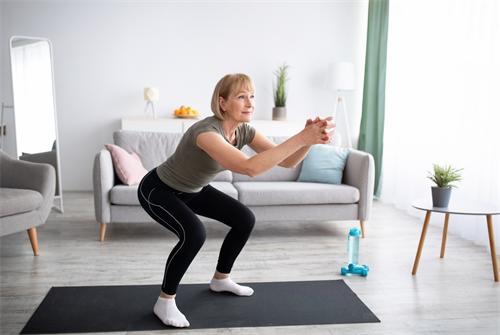
In another study of inactive adults aged 32-69, just five minutes of weight-controlled exercise daily for four weeks (such as chair squats and wall push-ups) showed significant benefits: a 66% improvement in push-up performance, a 51% increase in sit-up endurance, a 13% increase in strength, a 9% increase in flexibility, a better heart rate during aerobic exercise, and even improved mental health (a 16% increase in happiness and a 20% increase in energy).
A study following 3,300 Americans (average age 51) showed that just one minute of vigorous activity per day (such as climbing stairs or doing light housework) reduced the risk of death by 38% over six years. Importantly, this task might be divided into many 10-second halves.
For inactive adults, adding just 3.4 minutes of vigorous activity to their daily routine reduced their risk of cancer by 18%, while adding 4.5 minutes reduced the risk by 32%.
Benefits of Micro-Workouts
1. Time Efficiency
The time efficiency of micro-workouts is one of their biggest benefits. Incorporating 10-20 minute workouts into your daily routine is often more feasible than longer workouts. These brief sessions can be performed during lunch breaks, between meetings, or even right after waking up, making it easier to stick to your fitness goals.
2. Enhanced Cardiovascular Health
Micro-workouts can significantly improve cardiovascular health despite their little duration. High-intensity exercise, such as sprinting or circuit training, elevates your heart rate and improves heart function. Regularly performing these activities can reduce the risk of heart disease and improve overall cardiovascular health.
3. Boosts Muscle Strength and Endurance
Micro-workouts focused on strength training can build muscle strength and endurance. Exercises like push-ups, squats, and planks, when performed with proper form and intensity, can stimulate muscle growth and improve endurance. Over time, these improvements contribute to improved overall physical fitness and function.
4. Improved Metabolic Function
Short bursts of high-intensity exercise can elevate your metabolic rate, increasing calorie burn even after the workout. This phenomenon, known as excess post-exercise oxygen consumption (EPOC), can aid in weight management and fat loss. Regular micro-workouts can promote metabolic health and help achieve fitness goals.
5. Mental Health Benefits
Research shows that even short bursts of physical activity can improve mental health. Micro-workouts can reduce stress, improve mood, and boost energy levels. The endorphins released during exercise contribute to these positive effects, helping people stay more focused and motivated throughout the day.
Designing an Effective Micro-Workout Program
To maximize the benefits of micro-workouts, it's crucial to design a training plan that suits your fitness level and goals. Here are some tips for creating an effective micro-workout program:
Incorporate Variety: Include cardiovascular, strength, and flexibility exercises to ensure a well-rounded fitness regimen.
Focus on Intensity: Perform high-intensity exercises to stimulate the desired physiological response.
Ensure Proper Form: Maintain correct posture and technique to prevent injury and maximize results.
Progress Gradually: Increase the intensity or duration of your workouts over time to continue making progress and avoid plateaus.
Listen to Your Body: Pay attention to how your body responds to your workouts and adjust accordingly to prevent overtraining.
Sample 10-Minute Microworkout Plan
For those new to microworkouts, it can be helpful to start with simple exercises. Here's a sample 10-minute workout targeting different muscle groups:
Warm-up (1 minute): To raise your heart rate, use simple aerobic workouts like jumping jacks or stationary jogging.
Bodyweight Squats (1 minute): Place your feet shoulder-width apart as you stand. Return to standing after lowering your body as though you were sitting on a chair.
Push-ups (1 minute): Assume a plank position, bend your elbows to lower your body, then push up.
Plank (1 minute): Hold a forearm plank position, keeping your body in a straight line from head to heels.
Jumping Jacks (1 minute): Jump to a position with your legs wide open and your hands overhead, then return to the starting position.
Lunges (1 minute): Step one leg forward, lower your hips, and lower your back knee toward the ground, then return to a standing position.
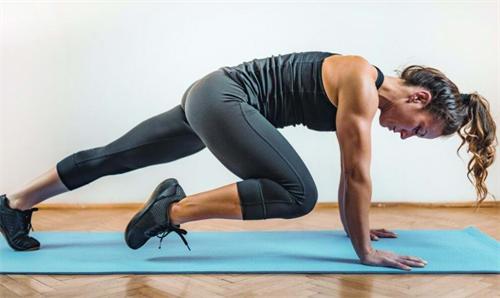
Mountain Climbers(1 minute): Get into a plank posture and quickly raise your knees to your chest for one minute.
Cool Down (2 minutes): Perform gentle stretches, focusing on major muscle groups to promote flexibility and recovery.
Overcoming Challenges of Micro-Workouts
While micro-workouts offer numerous benefits, people may face challenges in incorporating them into their daily routines. Common barriers include lack of motivation, time constraints, and uncertainty about their effectiveness.
Set Clear Goals: Establish specific fitness goals to stay motivated and track your progress.
Schedule Your Workouts: Treat micro-workouts like appointments, fitting them into your day to ensure consistency.
Start Small: Start with shorter sessions and gradually increase the duration or intensity as your fitness improves.
Seek Guidance: Utilize online resources or consult a fitness professional to learn proper technique and routine.
Micro-workouts are an effective way to stay healthy in a busy life. Devoting just 10 to 20 minutes of focused exercise daily can significantly improve physical health, mental health, and overall quality of life. Consistently following these short, effective workouts can lead to lasting positive changes, proving that even small efforts can yield significant results.
Recommended for you: