


Quadrobics: The Full-Body Crawling Workout You Didn't Know You Needed
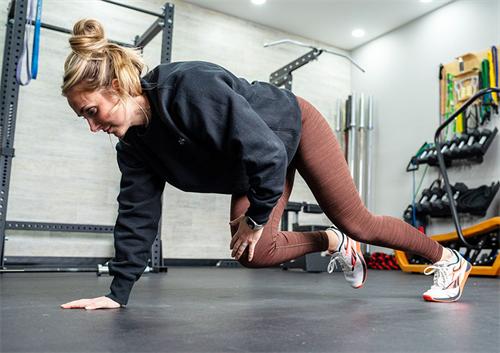
In a world of treadmills, dumbbells, and stationary bikes, a new and delightfully original fitness trend is captivating fitness enthusiasts everywhere: Quadrobics. This dynamic floor-based exercise blends the essence of aerobics with the flexibility of calisthenics, utilizing movements inspired by four-legged animals for a powerful, full-body experience. If you're looking to challenge your physical fitness, hone your flexibility, and gain a deeper understanding of how the body moves through space, quadrobics may be just what you need – original, fresh, and unique. Let's take a deep dive into what quadrobics is, where it originated, how it works, its benefits, how to get started, and why it might be an unexpected fitness revelation.
What is Quadrobics?
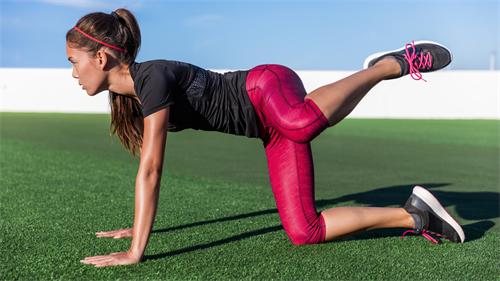
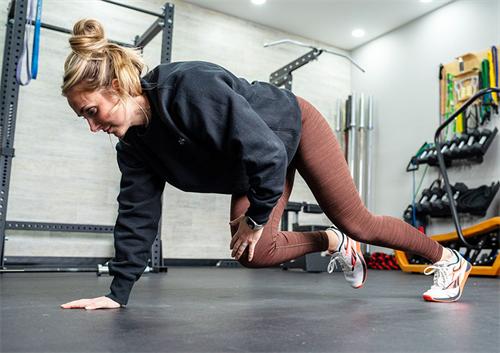
Essentially, quadrobics is a full-body fitness trend that requires you to move on all fours, mimicking the gait and movements of four-legged animals – think bear crawls, crab walks, trots, leaps, and balances.
Rather than following the rigid structure of traditional workouts, quadrobics is fun, fluid, and highly adaptable—it can be done indoors or outdoors, requires no equipment, and is perfect for those craving something completely different.
Quadrobics often draws on animal flow, a system of crawling, ground movement, transitions, and a "flow" that smoothly links movements together.
Historical Roots: From Record-Breaking Athlete to Viral Trend
Quadrobics may feel like a quirky new fad, but its roots go back far deeper than social media. In 2008, Japanese sprinter Kenichi Ito set the world record for the 100-meter run on all fours. He subsequently continued to break records and created the sport now known as "crunning," which involves crawling forward as fast as possible.
Now, the trend has exploded online, with TikTok and Instagram users sharing their quadrobics workouts and inspiring others to explore this unique form of exercise.
Why is Quadrobics so effective?
1. Total Body Conditioning
Quadrobics is a masterclass in total-body conditioning. As you crawl, jump, and maintain balance, you continuously activate your core, shoulders, latissimus dorsi, gluteus maximus, quadrobics, and other muscles.
2. Core Strengthening
Each movement requires trunk alignment, spinal stabilization, and support from deep stabilizers like the transverse abdominis and obliques—essentially a core workout disguised as a game.
3. Flexibility and Range of Motion
Quadrobics training improves joint range of motion and overall stability, making quadrobics exercise an effective tool for flexibility and functional mobility.
4. Unilateral Training Benefits
Because the arms and legs typically move independently, quadrobics exercises function similarly to unilateral training. This approach improves balance, corrects muscle imbalances, and builds single-limb strength.
5. Cardiovascular Health and Fat Burning
Maintaining multiple limbs simultaneously elevates heart rate, turning crawling into a high-energy aerobic workout.
6. Coordination, Proprioception, and Body Awareness
Transitions and crawling patterns enhance neuromuscular control, spatial awareness, and balance—the hallmarks of optimal physical development.
7. Mental and Emotional Enhancement
Quadrobics differs from mechanical movements by tapping into people's instinctive playfulness and sense of presence. It can enhance focus, reduce stress, increase body awareness, and can create a soothing or meditative experience.
8. Low Impact, High Function
Especially for beginners or recovering athletes, crawling provides low joint stress while delivering high-quality movement. It's adaptable, scalable, and easy to learn.
Is Quadrobics a Sport?
Technically, there's no formal governing body, standardized competition rules, or regulatory framework. However, within the community, enthusiasts informally organize challenges and competitions, and many practice using structured processes like Animal Flow.
How to Get Started: A Step-by-Step Guide?
1. Warm-Up and Wrist Preparation
Begin with gentle wrist circles, shoulder rotations, and hip opening. Joint preparation is crucial.
2. Master the Basics
Start with the basics:
Bear Crawl: Land on your hands and feet, lower your hips, and crawl forward or backward.
Crab Walk: Lie faceup, on your hands and feet, and move backward or sideways.
Ape/Gorilla Walk: Start in a squat position, shift your weight, and propel yourself sideways.
3. Progression
Once comfortable, incorporate:
Jogging: Transition between a trot and a gallop.
Jumping or jumping: Boost explosive power.
Switching and Transitioning: Flow from one position to another smoothly to build fluidity.
4. Maintaining Proper Form
Keep your hips level; don't sag or jut out.
Continuously engage your core muscles.
Apply even pressure to your wrists and shoulders.
Use a soft surface (grass, mat) and protective clothing if needed.
5. Integrate into the "Flow"
The structure flows in sequence:
Bear Crawl for 30 seconds
Transition to Crab Walk for 30 seconds
Enter Gorilla Walk for 30 seconds
Repeat or cycle variations.
6. Gently stretch and cool down
End your session with Child's Pose, Four-Legged Cat-Cow Pose, Spine Hug, or a gentle hip mobility stretch to reset your body.
Safety Considerations
Quadrobics is generally safe for healthy individuals, but caution is advised:
Beginners should start slowly and with short bursts (approximately 5-10 minutes).
Pay attention to any discomfort in your wrists, shoulders, or knees. If you experience severe pain, discontinue the exercise.
Practice on soft ground until the pose is stable.
If you are recovering from an injury or dealing with a health issue, consult a professional before attempting quadrobics .
Who should try it—and why?
Fitness Explorers: Looking to break the monotony and tap into something primal.
Core and Mobility Seekers: Great for improving postural strength and flexibility.
Recovery Travelers: A gentle and effective way to regain movement and confidence.
Mental Health Enthusiasts: A fun, grounding practice that strengthens both the mind and body.
Athletes: Adds variety and depth to your daily training.
Kids & Families: Crawl, jump, and playful flow—perfect for young bodies and curious movements.
20-Minute Beginner Quadrobics Exercise Example
● Warm-Up (3 minutes)
● Wrist circles, shoulder rolls, hip swings, cat-cow pose.
● Core Flow (12 minutes)
● Bear Crawl: 40 seconds
● Rest/Transition: 20 seconds
● Crab Walk: 40 seconds
● Rest: 20 seconds
● Gorilla Walk: 40 seconds
● Rest: 20 seconds
● Repeat this circuit twice or add a jogging variation.
● Cool-Down (5 minutes)
● Child's Pose, seated hamstring stretch, and gentle hip opening.
Why Quadrobics May Be the Game-Changer You Need?
It's hard to find an exercise as unique, fun, and physiologically rich as Quad-Wheeler in the fitness world—but it's out there, waiting for you on all fours. It seamlessly blends focus and muscle, cardio and coordination, strength and stability—and yes, a bit of quirkiness. If you've been stagnating, bored, or increasingly disconnected from your body's natural movements, quad biking might just spark your passion. It's raw, powerful, and grounded in life—a throwback to how we used to move long before "exercise" became strictly regulated.
So, kick off your shoes (or keep them for grip), find some soft ground, get down on all fours—and watch your body (and mind) come alive, one crawl, one hop, one hop at a time.
Recommended for you: