


How Infrared Saunas, Massage Guns, and Cold Therapy Are Redefining Recovery?
In the pursuit of peak performance, fitness enthusiasts and athletes have long recognized the importance of recovery. While intense training pushes the body to its limits, the recovery phase is key to achieving true progress. In recent years, innovative recovery tools have emerged, offering targeted benefits beyond traditional rest. Among them, infrared saunas, massage guns, and cold therapy have garnered significant attention for their effectiveness in promoting muscle recovery, alleviating soreness, and improving overall health.
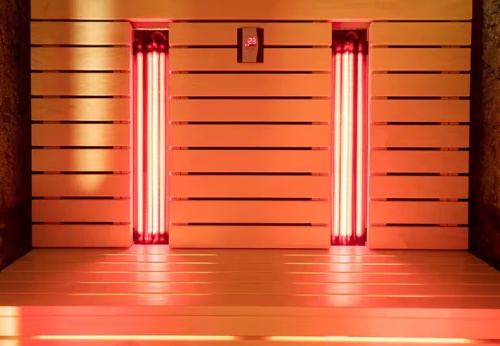
How Infrared Saunas Work?
Infrared saunas use infrared light to penetrate the skin and directly heat the body, rather than relying on ambient air temperature. This approach makes sauna use more comfortable because the body can efficiently absorb the heat while maintaining a lower temperature. The heat generated by an infrared sauna promotes sweating, which eliminates toxins, improves circulation, and promotes muscle relaxation.
Benefits for Muscle Recovery
1. Enhanced Circulation and Oxygen Delivery
Infrared saunas promote vasodilation, which widens blood vessels, thereby enhancing blood flow. Improved circulation helps deliver oxygen and essential nutrients to muscle tissue, accelerating the repair process and shortening recovery time.
2. Reduce Muscle Soreness
The heat generated by an infrared sauna helps alleviate delayed-onset muscle soreness (DOMS) by promoting the elimination of metabolic waste products such as lactic acid. Reduced muscle stiffness and soreness facilitate faster recovery from training and enhance athletic performance.
3. Pain Relief and Muscle Relaxation
Infrared heat has analgesic properties, relieving both acute and chronic pain. The soothing warmth helps relax tense muscles, reduce spasms, alleviate discomfort, and promote physical and mental well-being.
4. Improve Sleep Quality
Frequent usage of an infrared sauna can help people relax and cope with stress, which will enhance the quality of their sleep. Because it promotes tissue repair and protein synthesis, getting enough sleep is essential for muscle recovery.
There are many different types of infrared saunas, including portable and full-size models. For those with limited room, portable infrared saunas are useful and convenient. In order to minimize overheating, it's important to drink enough of water both during and after a sauna session.
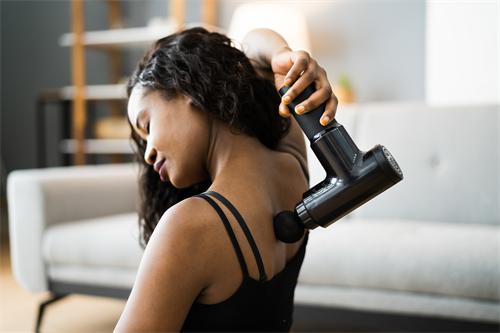
Massage Guns: Percussive Therapy for Muscle Pain Relief
Muscle tissue is rapidly compressed using massage guns, sometimes referred to as percussion treatment. This method promotes flexibility, circulation, and the reduction of muscular pain. Many professional athletes and fitness enthusiasts incorporate massage guns into their recovery routines due to their effectiveness and convenience.
Benefits for Muscle Recovery
1. Reduces Muscle Soreness and Stiffness
Massage guns break dissolve adhesions and ease muscular tension by applying quick, percussion-like pulses to muscle tissue. Muscle pain is reduced and flexibility is increased with this mechanical stimulation.
2. Improves Range of Motion
By targeting specific muscle groups, massage guns can improve flexibility and joint mobility. Regular use helps maintain or improve range of motion, which is crucial for optimal athletic performance and injury prevention.
3. Improves Circulation
The percussive action stimulates blood flow, enhancing the delivery of oxygen and nutrients to muscle tissue. Increased circulation helps eliminate metabolic waste, thereby accelerating muscle recovery and reducing muscle fatigue.
4. Pain Relief
Massage guns can quickly relieve muscle pain by stimulating the nervous system and releasing endorphins, the body's natural painkillers. This non-invasive method offers an alternative to pharmaceutical pain management.
Choosing the Right Massage Gun
Think about things like mobility, noise level, battery life, and speed settings when selecting a massager. Some versions let customers personalize their rehabilitation plan with extra features like app integration or thermal treatment. To prevent overstimulation, it is advised to begin with a lower intensity level and progressively raise as necessary.
Cold Therapy: Embrace the Cold and Promote Recovery
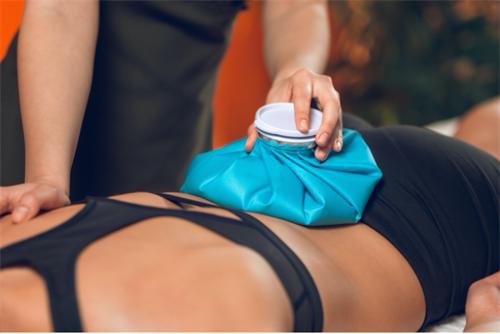
The goal of cold treatment, commonly referred to as cryotherapy, is to promote healing and lessen inflammation by subjecting the body to freezing temperatures. Topical cold compresses, cold showers, and ice baths are some ways to do this. Because the cold narrows blood vessels, less blood reaches the afflicted location, which lessens discomfort and swelling.
Benefits for Muscle Recovery
1. Reduced Inflammation and Swelling
Cold therapy can induce vasoconstriction, a narrowing of blood vessels, which helps reduce inflammation and swelling in muscle tissue. This is particularly beneficial after strenuous exercise or injury.
2. Relieve Muscle Soreness
Immersing the body in cold temperatures can slow the cellular processes that cause muscle soreness. Cold therapy helps numb nerve endings, relieve pain, and reduce discomfort.
3. Enhance Recovery Time
By reducing inflammation and muscle damage, cold therapy can speed up recovery time. This allows athletes to train more frequently and at higher intensities, thereby improving performance over time.
4. Mental Toughness
Regular exposure to cold can improve mental toughness and resilience. The controlled stressor of cold therapy helps train the body and mind to adapt to challenging situations, thereby enhancing overall endurance.
Safely Implementing Cold Therapy
To fully realize the benefits of cold therapy, proper use is crucial. Cold water immersion should be performed in water temperatures of 10-15 degrees Celsius (50-59 degrees Fahrenheit) for 10-20 minutes. It is important to monitor your body's response and avoid prolonged immersion to prevent hypothermia. People with certain health conditions, such as cardiovascular disease, should consult a healthcare professional before using cold therapy.
Integrate Recovery Tools into Your Routine
Incorporating advanced recovery methods like infrared saunas, massage guns, and cold therapy into your fitness routine can significantly enhance muscle recovery, reduce soreness, and improve overall performance. To maximize the benefits of these tools, it's important to strategically integrate them into your routine. Here's how to effectively combine these recovery methods:
1. Pre-Workout Activation—Infrared Sauna Warm-Up
Before working out, use an infrared sauna to raise the warmth and flexibility of your muscles. Your muscles will be more ready for activity if you spend five to ten minutes in the sauna. The sauna's heat encourages vasodilation, which improves blood flow and oxygen delivery to tissues and lowers the chance of damage during physical activity.
After the sauna, perform dynamic stretching exercises to further prepare your muscles and joints for activity. This combination improves joint range of motion, activates the nervous system, and lays a solid foundation for your workout.
2. Post-Workout Recovery—Cold Therapy for Anti-Inflammation and Muscle Relaxation
After intense exercise, cold therapy can help reduce inflammation and muscle soreness. Methods like ice baths or cold showers can constrict blood vessels, reduce swelling, and numb nerve endings, thereby relieving pain. This process also helps eliminate metabolic waste accumulated during exercise.
After cold therapy, use a massage gun to stimulate circulation and relieve muscle tension. The percussive motions help break down adhesions and promote the delivery of oxygen and nutrients to muscle tissue, accelerating recovery.
3. Alternating Hot and Cold Therapy
Combining hot and cold therapies in a sequence, called contrast therapy, can accelerate recovery. First, apply cold therapy to reduce inflammation, followed by heat therapy in an infrared sauna to promote relaxation and improve circulation. This alternating therapy stimulates the body's natural healing process and improves overall recovery.
4. Regular Maintenance and Consistency
Develop a regular schedule that includes sauna, cold therapy, and a massage gun. For example, you could use the sauna and massage gun on your rest days and cold therapy after intense training.
Pay attention to your body's response to each recovery method. Adjust the duration and frequency of each session based on your individual needs and recovery goals. Listening to your body's reactions and adjusting as needed is crucial.
Advanced recovery tools like infrared saunas, massage guns, and cold therapy can enhance muscle recovery, reduce soreness, and improve overall performance. Understanding the benefits and proper use of these tools can help optimize recovery and more efficiently achieve fitness goals.
Recommended for you: