


How TikTok Is Redefining Fitness: Viral Challenges, Structure, and the Future of Working Out
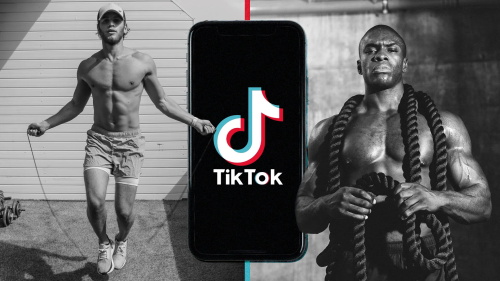
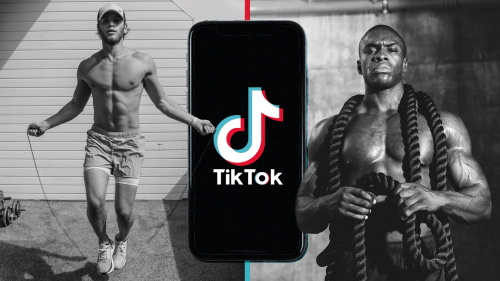
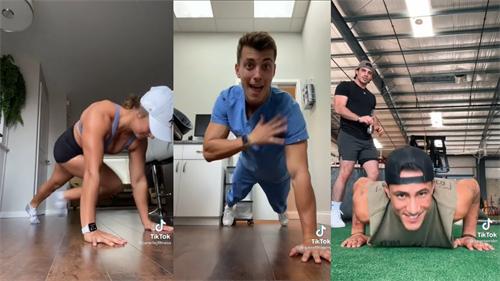
In recent years, TikTok has become a cultural incubator for fitness trends, reshaping the way people approach health. Unlike traditional fitness programs that rely on gym memberships, personal trainers, or formal training plans, TikTok thrives on viral short-form video content, making exercise accessible, fun, and socially engaging. From high-intensity workouts like the "75 Hard" challenge to more flexible training methods like the "Great Lock-In," the platform is influencing not only how people engage with fitness but also how they think about structure, discipline, and personal growth within that process.
This article explores these evolving trends, examining their impact on motivation, mental health, and the broader fitness landscape, and offers practical guidance for navigating them safely and effectively.
The Rise of "75 Hard": Where Self-Discipline Meets Virality
The "75 Hard" challenge, created by entrepreneur Andy Frisella, has become one of TikTok's most talked-about fitness phenomena. The program's seemingly simple design is incredibly demanding: participants are required to complete five tasks daily for 75 consecutive days. These tasks include two 45-minute workouts (one of which must be done outdoors), drinking a gallon of water, following a strict diet (no cheat meals or alcohol), reading 10 pages of a self-improvement book, and taking a daily progress photo. Participants who fail to complete any of the tasks must start over from day one.
While the program's intensity may seem extreme, it has attracted thousands of TikTok users seeking a physical and mental challenge. Supporters emphasize its transformative potential: users report increased self-discipline, improved time management, and a sense of personal accomplishment beyond physical fitness.
However, experts warn that the "75-Hour Hard Workout" may not be suitable for everyone. The program's "all-or-nothing" nature can lead to burnout, injury, or unhealthy attitudes toward diet and exercise. Furthermore, the program can exacerbate perfectionism and encourage a mindset where missing even a single day is considered catastrophic. This has sparked important discussions about how to balance ambition and sustainability in fitness practice.
"Big Lockdown": Flexibility and Sustainability
In contrast to the "75-Hour Challenge," the "Big Lockdown" initiative represents a shift toward a more adaptable, personalized approach to structured goals. Unlike the rigid, multi-tasking structure of the "75-Hour Challenge," the "Big Lockdown" initiative encourages participants to focus on a specific goal or habit from September to December. These goals or habits can range from consistent exercise to creative projects, dietary improvements, and even mental health practices.
The flexibility of the "Big Lockdown" initiative makes it more inclusive, adapting to different fitness levels, schedules, and personal priorities. Rather than emphasizing perfection, this trend encourages sustained effort and progress over a period of time, encouraging users to end the new year with a positive and purposeful mindset.
Psychologists believe that this approach may be more effective in promoting long-term behavioral change than overly rigid challenges. By providing room for personal adaptation, participants are more likely to maintain motivation, reduce stress, and avoid the mental fatigue that often comes with extreme projects.
Why TikTok is Changing Fitness Culture?
TikTok has become more than just an entertainment platform; it has become a social engine shaping fitness behavior. Its influence is evident in several ways:
Algorithmic Virality: TikTok's recommendation system tailors content to users' interests. Fitness trends can go viral overnight, reaching millions of viewers worldwide.
Brevity and Accessibility: Short workout demonstrations and challenge explanations make fitness accessible, especially for beginners who may find traditional workouts intimidating.
Community Inspiration: TikTok fosters micro-communities where users share progress, tips, and encouragement. This social reinforcement often fosters a sense of accountability and adherence to challenges.
Creative Engagement: The platform encourages users to personalize challenges, remix trends, and document their journeys, blending fitness with creativity and self-expression.
However, this fast, trend-following approach has its drawbacks. The pressure to participate in the latest challenge can create unrealistic expectations, leading people to prioritize appearance over health. Furthermore, viral challenges often lack professional oversight, which can increase the risk of injury if not performed correctly.
The Psychology Behind Viral Fitness Challenges
Understanding the resonation of TikTok fitness trends requires understanding human psychology. Several factors contribute to this trend:
Gamification: Challenges like "75 Hard" transform everyday life into a points-based game. Completing each task provides instant gratification, while streaks foster long-term motivation.
Social Proof: Engagement is boosted when influencers or peers achieve success. The sense of belonging to a greater movement increases user engagement.
Identity: Challenges often allow participants to redefine themselves ("I am someone who completed a 75-day challenge" or "I am someone who is committed to a goal"). This aligns action with identity, strengthening motivation.
Reward Expectancy: Physical and psychological outcomes—improved fitness, improved mood, or social recognition—are rewards that reinforce behavior.
These factors combine to create a highly compelling fitness trend that, if approached wisely, can foster real behavior change.
Practical Tips for Safe Participation
If you're considering joining the TikTok fitness trend, consider the following strategies:
Set Realistic Goals: Tailor the challenge to your current fitness level and schedule. Extreme training regimens may work for some, but moderate training often leads to longer-lasting results.
Put recuperation first: Taking breaks, drinking enough water, and getting enough sleep are all necessary to prevent burnout and damage.
Process, not perfection: Give perseverance greater weight than perfect execution. A sustainable habit, missing a day is not an indication of failure.
Join a supportive community: Share your progress with friends, family, or online groups that emphasize encouragement over competition.
Track your physical and mental health: Monitor your stress levels, mood, and physical fatigue. Fitness isn't just about strength or appearance; it's also about mental well-being.
Broader Cultural Impact
Trending topics on TikTok like "75-Hour Workout" and "The Great Lock-In" demonstrate how social media is changing not only exercise habits but also cultural perceptions of self-discipline, self-improvement, and personal achievement. Users are increasingly drawn to structured, measurable goals that provide accountability and boost social visibility.
These trends also reflect a shift toward self-directed wellness, where individuals can choose and adapt their own challenges rather than follow traditional, one-size-fits-all plans. The democratization of fitness challenges has broadened participation but requires critical thinking to ensure safety and long-term benefits.
TikTok has redefined how people approach structured fitness goals, offering a path to personal growth that is both extreme and flexible. While programs like the "75-Hour Hard Workout" demand strict discipline, trends like the "Great Lock-In" demonstrate that flexibility, personalization, and sustainability can be equally effective.
Ultimately, the key lies in balance. By thoughtfully incorporating these trends—prioritizing health, mental well-being, and long-term habits—participants can harness the motivational power of social media without falling into its potential pitfalls. TikTok's fitness revolution has not only redefined self-discipline but also fostered creativity, community, and a modern approach to self-improvement.
With the right mindset and strategy, anyone can turn a viral challenge into a meaningful and lasting fitness journey.
Recommended for you: