



AI Trainers vs. Human Coaches: Can Smart Apps Really Replace In-Person Instruction?
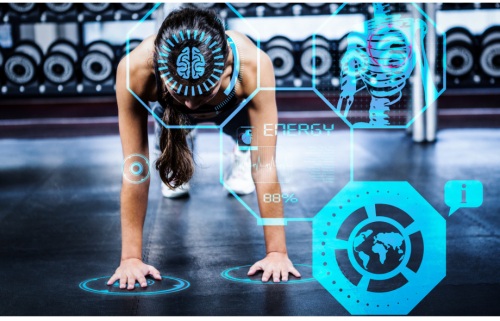
The rise of artificial intelligence (AI) is transforming many industries, and fitness is no exception. From fitness apps that automatically generate training plans to fitness platforms that use computer vision to correct body shape, the promise is clear: a personal trainer in your pocket. But can AI match or even surpass human trainers, especially in terms of effectiveness, safety, motivation, and adaptability? The answer is: sometimes. But not always—in many cases, the best results come from a combination of the two.
What AI Trainers Can Offer?
Convenience and Affordability
AI-powered apps and services are often much cheaper than in-person instruction. Many require only a smartphone and, possibly, a fitness tracker. Compared to the cost of personal training sessions, gym fees, or one-on-one instruction, this is significantly lower. This makes fitness coaching accessible to a wider audience.
Available 24/7, without any scheduling constraints
AI trainers require no appointments, no days off, and no travel time. They're available whenever you need them—early in the morning, late at night, or on weekends. This is a significant advantage if you need consistency.
Data-Driven Insights and Adaptability (to a certain extent)
Many AI tools track metrics like steps, heart rate, sleep, fatigue levels, previous workout performance, and even recovery indicators. They can adjust training plans, recommending rest periods, increasing or decreasing training intensity, and more quickly than some human trainers. Big data combined with machine learning allows these systems to spot trends that users might miss.
Scalable and Consistent Structure
AI can ensure that practices like progressive overload, program variations, and periodized training are more systematically maintained (assuming they are designed properly). It won't "forget" lifts or scheduled rest periods, as these are baked into the algorithm. This is invaluable for those who require structure, tracking, and clear metrics.
Lowering the Barrier to Entry
For those in remote areas, with limited mobility, limited schedules, or those who prefer not to go to the gym, AI trainers can lower many psychological, logistical, and cost barriers. You can follow a guided plan and exercise at home or outdoors.
Human Coaches Still Have Advantages

Nuanced Personalization and Adaptability
While AI can make adjustments based on data, humans can sense and respond immediately to numerous personal nuances, such as pain/injury, mood, personal stress, energy levels, and psychosocial factors. A coach can adjust a training plan on the fly: for example, if you're sore, they can change exercises; if you're not in shape, they can reduce the training load; if you're feeling good, they can increase the intensity.
Motivation, Accountability, and Emotional Intelligence
Many people find that having someone who believes in them, motivates them, notices their struggles, and provides emotional support is crucial to staying focused and improving. AI may provide reminders, badges, messages, or gamified prompts, but the "feel" of it is completely different. A human coach builds rapport and trust and can sense when you need encouragement or a dose of tough love.
Safety, Form, and Injury Prevention
While AI can sometimes detect serious form errors, humans are better at spotting subtle misalignments, compensations, or inefficient movements. Human trainers are trained to identify and adjust for postural issues caused by fatigue or weakened stabilizing muscles. Furthermore, human expertise (often requiring certification) is crucial for clients with pre-existing injuries or unique health concerns. AI doesn't always understand or appropriately address these nuances of wellness.
Emotional and Lifestyle Coaching
Fitness is more than just sets, reps, and training volume. It's also about behavioral change, coping with stress, recovery, psychological barriers, self-image, and sometimes even trauma. Trainers can ask questions, listen, offer advice, and draw on experience. AI currently lacks true empathy or intelligence.
Handling Unpredictable Variables
Life, injuries, unexpected events—trainers have the experience and judgment to modify training plans when things don't go as planned. AI may require vast amounts of data to learn; human trainers often rely on intuition and experience.
Risks, Weaknesses, and Challenges of Pure AI Tutoring
While AI offers many advantages, relying solely on AI trainers also presents some risks and drawbacks:
General or Oversimplified Advice: Without sufficient input or context, AI may provide overly general advice or omit key personal details. For example, a user with joint problems or mobility issues may be advised exercises that may worsen their condition.
Data Errors or Misinterpretations: Sensors, user input, or computer vision may misinterpret posture, count errors, or assess incorrect abilities. Because AI typically works based on what it "sees" or the data it's fed, input errors can lead to inappropriate advice.
Lack of Emotional Feedback and a Human Touch: As mentioned earlier, the psychological dimension (motivation, empathy, encouragement) is crucial for many people. AI can send notifications and track user behavior, but providing genuine encouragement or adaptive emotional support is more complex.
Declining Engagement and Monotony Over Time: The novelty wears off. Some users report that after the initial excitement, AI routines can feel repetitive or boring. Without variety and personalized adaptation, people may drop out. Human trainers often introduce new challenges or changes to keep clients interested.
Can AI completely replace human trainers?
Given the current state of affairs, most evidence and expert opinion suggest otherwise—AI cannot completely replace human trainers, at least for many people and in many situations. While AI may replace human trainers in some extreme cases, or even be "good enough" (for example, for experienced individuals with a low injury risk, a consistent schedule, and strong self-discipline), human trainers remain crucially valuable for a wider range of populations or ambitious fitness goals.
A more realistic scenario is that AI will become an assistant or augmentation, not a replacement. We can think of AI as handling the following tasks:
The routine, metrics-driven aspects: tracking performance, planning standard workouts, ensuring consistency, providing data, and providing reminders.
Human trainers focus on human strengths: mindset, emotional support, adapting to life's chaos, safety, specific technical guidance and form, and accountability beyond what algorithms can enforce.
A Practical Hybrid Model: The Best of Both Worlds
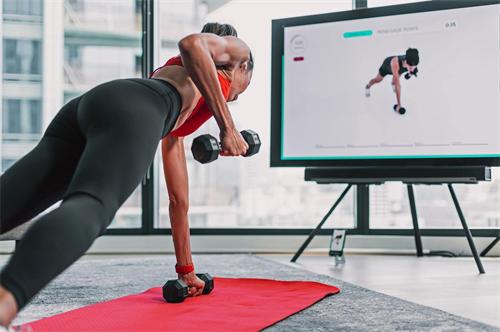
Because each approach has its pros and cons, many in the fitness/tech community believe a hybrid model offers the best results. Here are some examples and how they might work:
AI as the backbone + human check-ins: Use AI for daily planning and an app to track progress, but meet with a human coach weekly/biweekly for review, adjustments, and feedback.
AI for "pre-game" or warm-ups, human for lifts or complex movements: Have the AI handle warm-ups, conditioning, and auxiliary work while overseeing the main lifts or skill work.
Algorithmic program generation, human supervision: The AI suggests program periodization; the human coach reviews and adjusts.
Human motivation and psychological guidance, AI data analysis: The human provides inspiration and support; the AI provides metrics, nudges, and reminders.
This combination leverages the consistency, scalability, and data capabilities of AI while maintaining the trust, adaptability, and emotional connection of humans.
For beginners, a few sessions with a qualified human coach are valuable—they can learn fundamental movements, movement patterns, and how to prevent injuries. Later, an AI coach might be a good supplement.
If your goals are ambitious or specialized, a human coach is more valuable; don't try to rely solely on AI, especially for complex lifts or athletic performance.
AI is a powerful tool for maintaining regularity and lifestyle integration. If you struggle to schedule exercise, stay motivated, or track your progress, using AI tools can help you develop a habit.
Investigate the quality and credibility of any AI application. Look for data it collects, transparency, customer success studies, authentic feedback, and safety features.
For many, the cost of regular human coaching may be prohibitive. In this case, opt for AI to fill the gap, but try to incorporate occasional human consultations to ensure safety and adaptability.
Don't neglect emotional/mental health. Mental health, well-being, motivation, mindset—the human element is crucial. AI will continue to improve, but these areas are among the most challenging to automate.
Recommended for you: