


Why do men prioritize glutes over chests?
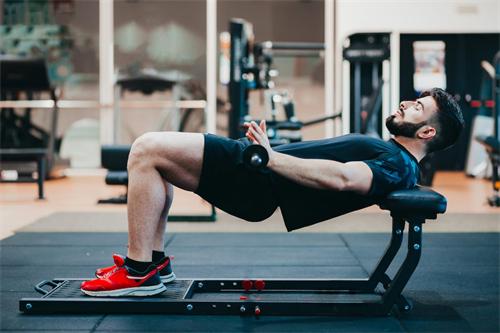
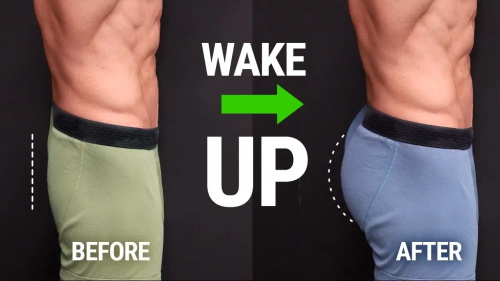
Once upon a time, bench presses, bicep curls, and flaunting six-pack abs ruled the gym. Upper-body strength—the "gun"—was king, while glutes were often overlooked, overshadowed by squat-shaming stereotypes. But now, a sea change is underway. From hip thrusters packed with men to butt-enhancing clothing and even buttock plastic surgery, men are embracing "gym junkie" culture—and it's about more than just aesthetics.
Cultural Shift: From Weapon to Asset
The image of male fitness has long been shaped by a narrow ideal: broad shoulders, bulging biceps, and chiseled abs. However, this image is changing. The so-called "gym junkie" trend reflects a broader cultural shift—men today are embracing their derriere with greater pride and purpose.
The influence of queer culture and feminine aesthetics is reshaping widely accepted notions of male beauty. Women's preferences are also evolving, with surveys showing that the majority of women say they prefer a well-proportioned male derriere. Men's buttocks have become not only acceptable but desirable.
Just as women popularized the "belfie" (butt selfie) on Instagram, men have seized this cultural space to express body positivity. With the increasing norm of gender fluidity, men's desires for things once associated with femininity—like making their buttocks look better in jeans—are no longer considered so deviant.
Function over form: The sexual power of the buttocks
What began as an aesthetic curiosity quickly proved its practical value. Fitness trainers and athletes alike emphasize the importance of strong buttocks—not only for aesthetics but also for performance and injury prevention.
The gluteal muscles are key to explosive power in a variety of sports, from sprinting to boxing. Hip thrusters are now a staple in top training centers. Trainers point out that exercises like hip thrusts can improve horizontal force output more than traditional squats.
Inadequate glute training often leads to lower back pain, poor posture, and decreased mobility, especially as men age. Experts emphasize that insufficient glute activity can lead to lower back pain, decreased mobility, and reduced athletic performance. Strengthening the glutes helps maintain healthy hips, knees, and spine.
Gym Behavior: Hip Thrusts, Pilates, and Lines
In fact, this trend is evident in gym culture. People now line up to use hip thrust machines at commercial gyms. Once-underutilized equipment has become a star.
Pilates, once considered primarily a female sport, has gained a male following thanks to its glute activation and body awareness benefits.
Even surgery is on the rise, with hundreds of men opting for Brazilian butt lifts each year, demonstrating that this trend extends far beyond exercise.
Fashion and Style: Butts Beyond the Gym
Men's Leggings
Leggings and shorts, once marketed to women, are now available in men's versions. They emphasize butt shaping while normalizing the idea of men showing off their hard work in the gym.
Denim and Tailoring
Jeans and trousers are increasingly being tailored to emphasize buttocks, just as a tailored suit accentuates broad shoulders. Men are realizing that the fit in the back is just as important as the front. Athleisure is an expression of self-expression. Brands are catering to men seeking both functional and physique-enhancing looks. The rise of hip fashion means showing off one's lower body curves is no longer taboo, but a symbol of pride.
Redefining Masculinity Through Fitness
At its core, this trend reflects a deeper cultural redefinition. It signals a shift away from conformism and a shift toward a more holistic, functional understanding of the body. The hips symbolize strength and health, not femininity. As men's health becomes more holistic, they recognize that neglecting lower-body strength is both outdated and unhealthy. Fitness fads, social media, and cross-cultural influences are helping to normalize and promote this trend.
Why Glutes Respond Differently Than Arms?
Here’s where biology meets training culture. The glutes and arms aren’t just different in size—they’re built differently at the fiber level and demand unique training strategies.
Muscle fiber composition
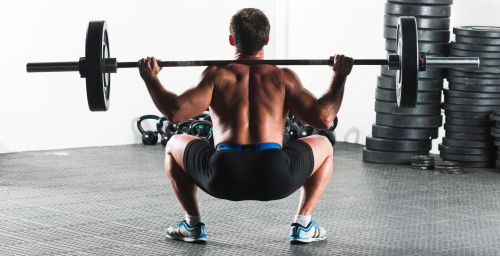
The glutes contain a roughly even mix of Type I (slow-twitch, endurance) and Type II (fast-twitch, power) fibers. This makes them highly adaptable to both heavy, low-rep strength work (like hip thrusts) and high-rep, endurance-style movements (like band walks).
By contrast, the biceps are predominantly Type II, which respond best to shorter, more intense bursts.
Load tolerance and volume
The glutes are the largest muscle group in the body and can handle much higher weekly training volumes than arms. While biceps might fatigue with 8–12 total weekly sets, glutes often thrive on 15–20 sets spread across multiple sessions.
Biomechanical range
Because glutes operate across hip extension, rotation, and stabilization, they require a variety of angles and exercises. Arms, however, mostly hinge around flexion and extension, making them simpler to train but less influential on overall movement quality.
Hormonal and systemic effect
Training large muscle groups like the glutes stimulates higher testosterone and growth hormone responses compared to arm-only workouts. This contributes to greater overall muscle growth, fat burning, and athletic performance.
Building Your Glutes
This move isn't just symbolic; it's strategic. Here are some key exercises that focus on your glutes:
● Hips thrusts—arguably the number one hip exercise, maximizing stretch and activation.
● Romanian Deadlift (RDL)—Targets the posterior chain, including the glutes and hamstrings.
● Bulgarian Split Squat/Handstand RDL—A unilateral move that emphasizes balance and hip engagement.
● Wide-stance box squats—strengthen the glute muscles without placing too much weight on the knees.
● Kettlebell swings—powerful hip-driven exercises that explosively activate the glutes.
● Sidewalks/lateral band walks—target stabilizers like the gluteus medius, contributing to joint alignment and knee health.
Progressive overload, varying ranges of motion, and compound and isolation exercises two to three times per week are key to growth.
Sample glute training plans
For men interested in embracing this trend, here are two practical plans that can fit into most fitness schedules.
Workout 1: Power Glute Day
● Romanian Deadlifts – 4 sets of 8-12 reps
● Bulgarian Split Squats – 3 sets of 10 reps per leg
● Kettlebell Swings – 3 sets of 15-20 reps
Routine 2: Glute Circuit Training Focused on Movement and Flexibility
● Box Jumps – 3 sets of 10 reps
● Glute Bridges – 3 sets of 12 reps per side
● Single-Leg Hip Thrusts – 3 sets of 10 reps per side
● Pilates Leg Circles or Side-Lying Clams – 2 sets of 15 reps per side
These exercises can be combined with upper body exercises for balance or added to the end of a regular fitness day as a "finisher." The rise of "gym junkie" culture among men represents far more than a shift in aesthetics; it represents a revolutionary rethinking of strength, health, and charisma. Men are discovering that strong glutes are fundamental to athletic performance, injury prevention, and a flawless physique.
With evolving cultural norms and the rise of functional fitness, it's safe to say: glutes are the new "weapon." Unlike the fleeting pump of a bicep, strong glutes offer lasting benefits.
Recommended for you: