


How Family Movement Builds Health, Joy, and Lifelong Habits?
Childhood should be filled with movement. Chasing butterflies in the yard, racing friends on the sidewalk, climbing trees, or dancing in the living room. Yet, in our age of screens and sedentary habits, many children are getting less exercise than ever before. The consequences of declining active play extend far beyond the playground, impacting children's physical health, emotional resilience, and even their ability to learn.
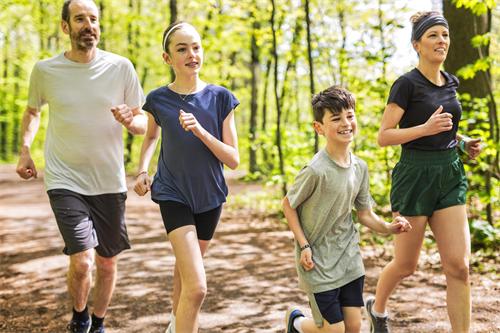
Families have the power to change this. When parents and children actively engage in play together, fitness becomes more about joy, connection, and exploration. From weekend hikes to simple backyard games, these shared moments of movement can foster healthy habits that last a lifetime.
Why Active Play is Important for Children?
Children shouldn't sit still for long periods of time. Their bodies are wired for movement, exploration, and curiosity. Regular active play promotes growth in many ways:
Physical Development: Jumping, running, climbing, and balancing exercises strengthen bones and muscles, improve coordination, and enhance motor skills. These activities also help maintain a healthy weight and reduce the risk of lifestyle-related diseases later in life.
Mental Health: Exercise boosts the production of endorphins, the feel-good chemicals in the body. Active children often experience reduced stress, improved moods, and better sleep. Exercise can also be an effective outlet for children with anxiety or ADHD.
Cognitive Skills: Active play fosters creativity, problem-solving skills, and focus. When children build forts, invent games, or strategize in sports, they're exercising both their brains and bodies.
Social Development: Team games, playground adventures, and even sibling races foster communication, cooperation, and conflict resolution skills. These social experiences help them build stronger relationships and boost their self-confidence.
Active play isn't just about burning off energy; it's a cornerstone of child development.
Family Activities
Activities that the whole family can enjoy are more powerful for children. Children imitate the behaviors they see, and if parents set an example and make activities fun, they're more likely to pass on those same attitudes. Family fitness doesn't require expensive equipment or a gym membership; with a little creativity, it can be incorporated into daily life. Here are some examples:
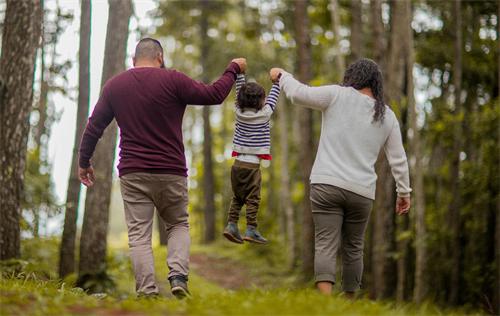
Family Walks and Bike Rides: An after-dinner stroll or a weekend bike ride allows the whole family to connect while exercising. These shared activities foster communication and strengthen bonds.
Dance Night at Home: Put on some music and get everyone dancing in the living room. Dancing not only provides exercise but also relieves stress and brings laughter to the home.
Yard or Park Games: Frisbee, tag, hide-and-seek, and relay races are simple, low-cost activities that encourage running, agility, and teamwork.
Chores as Exercise: Gardening, washing the car, or raking leaves may feel like work for adults, but for children, doing these tasks together can be fun—and they count as physical activity.
The key is not to make exercise a chore but to incorporate it into enjoyable family experiences.
Age-Appropriate Active Play
The best type of play for children often depends on their age and developmental stage. Parents can tailor activities to their children's needs:
Infants and Toddlers: Crawling, tummy time, pushing toys, or gentle ball games help develop motor skills and coordination. Supervised exploration is crucial at this age.
Preschoolers: Children at this age have a lot of energy. Running, climbing on playground equipment, jumping, and simple dance games can all help develop a child's balance and agility.
School-age children: Organized sports, such as swimming, martial arts, or dance lessons, can foster discipline and promote teamwork. Outdoor games like capture the flag or hopscotch can keep activities interesting.
Teens: Teens may prefer organized activities like basketball, volleyball, or hiking. Others may prefer individual hobbies like yoga, biking, or skateboarding, which foster independence while keeping them active.
Understanding your child's stage can help families encourage activity without feeling forced or overly motivated.
Overcoming Barriers to Family Fitness
Even with the best intentions, modern life presents challenges that can limit a child's active play.
Between school, work, and extracurricular activities, time can feel stretched. The solution is to incorporate activity into daily life—walk to school, park farther away, or use short breaks to stretch or play games.
With devices always at hand, it's easy for children to sit for longer periods of time. Setting boundaries and scheduling screen-free time can provide ample space for children to engage in physical activity.
Not all communities have accessible parks or safe outdoor areas. Families can get creative indoors with obstacle courses, dance classes, or video games that require movement.
After a long workday, parents may feel exhausted and unable to initiate play activities. However, reframing activities as enjoyable and bonding activities can often energize children rather than exhaust them. By recognizing these barriers and planning ahead, families can consistently prioritize fitness without feeling like an added burden.
Making Play a Habit
Creating lifelong habits starts with consistency. The more children see activities as part of "something we do as a family," the less likely they are to resist. Here are some strategies for fostering stickiness:
Schedule activities like appointments—just as homework or meals are non-negotiable, set aside dedicated time for family activities.
Celebrate small victories – Praise your children for their efforts, whether they complete a mile walk, score a goal, or invent a new game.
Mix it up – Variety prevents boredom. Rotate between outdoor activities, indoor dance competitions, or nature hikes to keep things fresh.
Create rituals – Make Saturday morning bike rides or evening yoga stretches a tradition your children look forward to.
Be consistent but flexible – While routine is important, it's okay to adjust based on weather, mood, or schedule. The goal is to get moving, not to be rigid.
Over time, these patterns become ingrained, shaping your child's attitude toward fitness as an adult.
Long-term Benefits
The beauty of active play is that its impact extends far beyond childhood. Children who grow up in active families tend to carry forward the positive associations of exercise. As adults, they are more likely to:
l Maintain a healthy weight.
l Get regular physical activity, but don't view it as a chore.
l Have stronger bones, muscles, and cardiovascular health.
l Handle stress and challenges more effectively.
l Value family time and social connection.
By investing in their children's activity levels now, families are shaping their health for decades to come.
Active play is more than just a childhood pastime; it's the foundation of lifelong health. Through movement, children grow stronger, smarter, and more resilient. Families that prioritize active play not only raise healthier children but also deepen their bonds and create shared memories that last longer than the play itself.
The message is simple yet powerful: Make movement a normal, joyful part of daily life. Whether it's playing tag in the yard, taking a hike in the woods, or engaging in an impromptu dance in the living room, every moment of activity counts. By starting young and making movement fun, families can sow the seeds of health that will eventually develop into lifelong healthy habits.
Recommended for you: