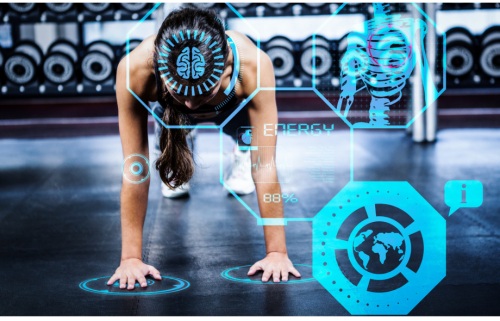



Hybrid Fitness: The Best of Both Worlds

Hybrid fitness is an innovative approach that combines the energy and social connection of in-gym workouts with the flexibility and convenience of online training. Unlike traditional programs tied to a single location or schedule, hybrid fitness allows you to train where and when it suits you. Whether it’s high-intensity classes at the gym or at-home yoga and mobility sessions, hybrid fitness lets you build a routine tailored to your lifestyle while maintaining accountability and guidance.
Why Hybrid Fitness Fits Modern Lifestyles?
Modern life often comes with long work hours, family responsibilities, and unpredictable schedules, making consistent gym visits challenging. Hybrid fitness addresses these obstacles by offering flexibility and accessibility. You can attend in-person sessions when you crave group energy, and switch to online classes when time, travel, or personal obligations make it difficult. Hybrid programs also make expert instruction available anywhere, including for those living in remote areas or dealing with mobility limitations. Additionally, the mix of in-person and online sessions helps improve retention, keeping users engaged while allowing personalization to match individual fitness goals and progress.
Benefits of Hybrid Fitness
Hybrid fitness provides a unique blend of advantages that address both physical and psychological aspects of training. Here’s a deeper look at the benefits:
Increased consistency and adherence:
By offering multiple ways to work out, hybrid programs reduce excuses. Even if you can’t make it to the gym due to travel, weather, or time constraints, online classes ensure you don’t skip your session. The flexibility to switch between formats keeps people engaged and consistent over time.
Time efficiency and lifestyle integration:
Online sessions eliminate commute time, giving you more flexibility to fit workouts into busy schedules. A 30-minute morning gym session paired with a 20-minute home yoga class in the evening can cover strength, cardio, and mobility in one day without disrupting other responsibilities.
Motivation and accountability:
Community features in hybrid programs—like virtual leaderboards, group challenges, and social check-ins—can replicate the energy of a group class at home. Combining in-person energy with digital accountability encourages long-term habit formation.
Cost flexibility and accessibility:
Online options allow budget-conscious individuals to access high-quality training without paying for full-time gym memberships. Hybrid memberships can be scaled depending on needs, such as fewer in-person sessions and unlimited digital access, making fitness more inclusive.
Personalized programming and progress tracking:
Wearables, apps, and AI tools allow trainers and clients to track heart rate, reps, and progress across both in-person and online sessions. This ensures workouts adapt to the individual’s fitness level, goals, and recovery needs.
Enhanced variety and engagement:
Hybrid models often combine traditional strength training, HIIT, yoga, and functional movement sessions, keeping workouts dynamic and reducing boredom. Variety promotes long-term adherence and better overall fitness.
Support for all fitness levels:
Beginners benefit from online tutorials for foundational exercises while gaining motivation from in-person guidance. Advanced users can challenge themselves in the gym and maintain skill refinement or recovery routines at home.
Overcoming Challenges in Hybrid Fitness
Despite its advantages, hybrid fitness comes with challenges. Some users may miss the energy of live in-person classes when exercising at home. Technical issues, such as unstable internet or app glitches, can disrupt workouts and hinder motivation. The comfort of home may also lead to skipped sessions without accountability measures in place. Trainers and gyms face the additional task of managing both in-person and online clients, which requires careful planning, communication, and digital infrastructure. With thoughtful design and the right tools, these challenges can be mitigated to create a seamless hybrid experience.

Designing a Successful Hybrid Program
For gyms, creating a successful hybrid program begins with a diverse digital library, including live, on-demand, and specialty classes. Mobile apps that integrate booking, streaming, and progress tracking simplify the user experience, while wearable integration allows members to monitor performance in real time. Incentive-driven hybrid challenges, combining in-person assessments with virtual competitions and rewards, help maintain engagement. Trainers and coaches can benefit from hybrid software, which streamlines the management of both remote and in-person clients. Offering flexible plans—such as two in-person sessions per week supplemented with online support—ensures clients remain engaged while maximizing a trainer’s reach.
Engaging Clients in a Hybrid Setting
Maintaining motivation is crucial in hybrid programs. Building community through virtual groups, message boards, or online meetups fosters connection and engagement. Gamified elements, such as streaks, badges, and performance tracking, increase accountability and make workouts enjoyable. Comprehensive onboarding teaches clients how to navigate both in-person and online sessions, ensuring consistent participation and a smoother experience. Through a combination of social support, gamification, and proper onboarding, hybrid programs can successfully maintain motivation and engagement, regardless of where clients train.
Trends and the Future of Hybrid Fitness
Hybrid fitness is rapidly growing and shows no signs of slowing down. The digital fitness market is projected to surpass $10 billion by 2025, fueled by convenience, personalization, and accessibility. A growing number of consumers now expect a combination of online and offline training options, reflecting a shift in fitness expectations. Post-pandemic, hybrid fitness has maintained popularity, demonstrating its adaptability. Innovative programs such as Pvolve, Peloton, and Centr illustrate how hybrid fitness is redefining the industry, emphasizing technology integration, community engagement, and flexibility as central components of the modern fitness experience.
Tips for Maximizing Your Hybrid Fitness Journey
Mix in-person and online sessions intelligently:
Use in-person sessions for complex lifts, technical exercises, or high-intensity workouts that benefit from hands-on correction. Use online sessions for mobility, cardio, yoga, or recovery work that doesn’t require direct supervision.
Leverage technology for tracking and accountability:
Wearables, fitness apps, and online journals allow you to monitor heart rate, performance, and adherence. Visual progress, such as charts and streak logs, encourages consistency.
Set short- and long-term goals:
Define measurable objectives for both in-person and online workouts, such as increasing strength, improving flexibility, or maintaining cardio endurance. Break them into weekly or monthly milestones to maintain motivation.
Engage in hybrid challenges:
Participate in virtual competitions, app-based leaderboards, or community events. Challenges build camaraderie, accountability, and friendly competition that replicate in-person motivation.
Schedule recovery strategically:
Hybrid programs allow flexibility to add rest, active recovery, or yoga sessions at home on days you can’t attend the gym. Recovery planning improves performance and prevents burnout.
Maintain proper space and equipment at home:
Dedicate a small area for online workouts with the necessary equipment—resistance bands, dumbbells, mats, or stability balls. A consistent workout environment helps maintain focus and discipline.
Track progress visually:
Take photos, record measurements, or log performance stats regularly. Visual progress reinforces motivation and helps adjust workouts when needed.
Use hybrid community features:
Engage in social forums, virtual group classes, or app communities to share achievements, tips, and challenges. Peer interaction increases accountability and provides encouragement even when working out remotely.
Prioritize consistency over intensity:
Focus on completing workouts regularly, regardless of location or format. Consistent adherence to a hybrid program ensures long-term results.
Adapt to your lifestyle:
The real strength of hybrid fitness is flexibility. Adjust your schedule weekly to balance work, life, and fitness priorities, ensuring workouts complement your lifestyle rather than disrupt it.
The hybrid fitness model is more than a trend—it represents the future of exercise. By blending the energy of in-person workouts with the flexibility, personalization, and accessibility of online training, hybrid programs offer unmatched engagement and results. Whether you are a gym owner, trainer, or fitness enthusiast, hybrid fitness allows you to meet people where they are and adapt programs to fit their lifestyles. There is no one-size-fits-all approach; the key is to mix and match in-person and online sessions to suit your goals, energy levels, and schedule. Hybrid fitness is flexible, connected, and motivating, empowering individuals to achieve their best results anytime, anywhere.