


Safe Postpartum Exercise: Fitness That Honors Your Body's Journey
Parenting is an incredible journey—one filled with thrilling joy, profound transformation, and new responsibilities. While caring for a newborn, your body is also undergoing its own remarkable process of healing and renewal. This article will help you rethink postpartum fitness as less of a competition and more of a healing, multi-layered journey—one that honors the physical and emotional transformations you're going through.
Your journey begins with gentle emotional, physical, and spiritual rebuilding, grounded in authoritative health guidelines. In the first few days after childbirth, as long as you're feeling well, you can usually safely begin with some of the gentlest exercises, such as focused breathing, gentle pelvic floor exercises, and short walks. These subtle movements lay the foundation for recovery and well-being.
As recovery progresses, experts worldwide consistently recommend that women engage in moderate-intensity activity—about 150 minutes spread out over several days per week. This approach not only aids physical recovery but also stabilizes mood, improves sleep, and enhances cardiovascular health—while also taking into account differences in fatigue levels, recovery speed, and individual circumstances.
What is the core principle of postpartum exercise? Empowerment through patience and companionship. This approach eschews the concept of a "bounce back" and instead embarks on a journey of healing—beginning with reconnection, building strength, and ultimately developing a confident, personal movement style.
Why is postpartum exercise important?
Emotional, hormonal, and functional healing are all aspects of the postpartum phase in addition to physical recovery:
Pelvic floor and core healing: Gentle exercise helps restore muscles and connective tissue strained during pregnancy and childbirth.
Mental health booster: Low- to moderate-intensity activities can boost mood, relieve fatigue, improve sleep, and help reduce postpartum depression.
Restore strength: Carefully designed exercises tailored to your current stage can help rebuild strength in your abdomen, back, hips, and pelvic area—all essential for daily life.
A phased approach: Honor your unique timeline.
Everybody's body reacts differently, and recovery isn't a straight line. As a result, we employ a staged strategy that offers structure, flexibility, and personalized considerations, much like a successful postpartum recovery program:
Phase 1: Mild Investigation (Weeks 0–4)
Through breathing techniques, bodyweight activation, mild mobility, and light core remodeling, this phase assists you in reestablishing your connection with your pelvic floor muscles and core. This stage prioritizes progress after recovery.
Phase 2: Strength Training (Weeks 5-12)
Once you've returned to normal (usually around six weeks postpartum), you can begin light resistance training, low-impact aerobic exercise, and controlled strength training. Core training and pelvic floor awareness remain crucial.
Phase 3: Expanding Capacity (12+ Weeks)
Once you've fully recovered, you can safely gradually return to high-intensity aerobic exercise, full-body weight training, Pilates, yoga, or running—always guided by how your body feels and the advice of your healthcare provider.
This structure supports full-body strength development without pressure or comparison to others.
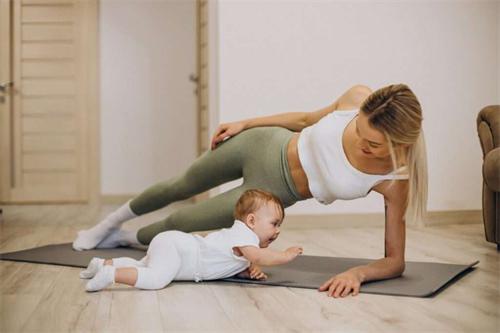
Phase 1: Gentle Foundations (Weeks 0-4)
Breathing + Core Connection
Deep diaphragmatic breathing helps connect your mind and body. Try lying on your knees: Inhale to expand your abdomen, and exhale to tighten your core—feel the tightening of your pelvic floor muscles.
Pelvic Floor Activation
Perform gentle Kegel exercises—contract your muscles as if stopping urination, hold briefly, then release. Repeat several times daily to rebuild foundational strength.
Pelvic Tilt
Lying on your back, tighten your pelvis, bend your knees, and gently lower your lower back to the floor. Hold and release, then repeat. This facilitates the neutral core alignment's recovery.
Walking and Exercise
Start with short, slow walks—just a few minutes—and gradually build up to 20-30 minutes most days. Gentle flowing or stretching exercises can improve circulation and boost your mood.
Phase 2: Rebuilding Strength (Weeks 5-12)
Low-Impact Cardio Options
Increasing your pace or walking time, swimming (once cleaned up), biking on flat terrain, or performing gentle aerobic exercises can all rebuild endurance without causing stress.
Bodyweight and Functional Strength
Integrate squats, lunges, arm exercises, and modified core exercises (such as chin tucks)—all of which focus on core strength to avoid excessive stress.
Core and Stability Progression
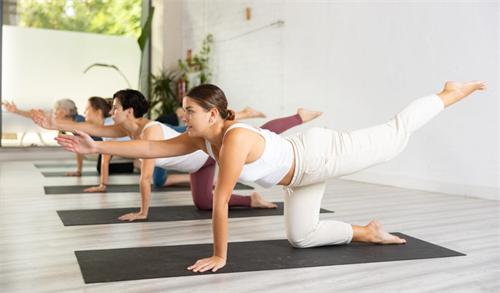
Pay attention to regulated patterns and support points, such hands-and-knees core activation, glute bridges with a stability ball, and bird dogs. To lower the chance of separation problems, stay away from conventional sit-ups, crunches, and twists.
Light Resistance Integration
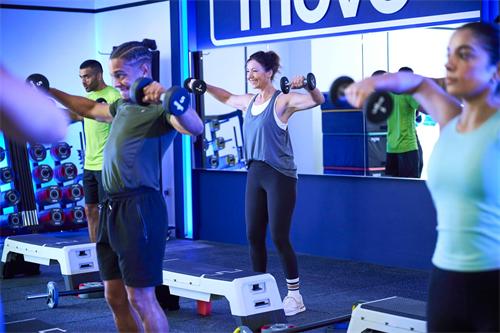
You can introduce resistance bands or light weights and focus on compound but safe exercises—such as banded rows or glute bridges with added resistance—always maintaining core awareness.
Rest and Listen
If you are breastfeeding, consider doing some exercises after feeding or expressing beforehand. Monitor your body for signs, such as a feeling of heaviness in the pelvis or changes in abdominal position, which may indicate you need more time during this phase.
Phase 3: Building Strength and Confidence (12+ Weeks)
Progressing to Aerobics and Impact Exercises
Only after your pelvic floor strength and core stability feel good should you begin jogging, interval training, or moderate-intensity aerobics. Start gradually and adjust based on your body's feedback.
Strength and Function
This may be a good time to explore stronger strength training, functional movements, Pilates, or yoga strength training. Focus on form, posture, breath control, and pelvic stability—especially after a C-section or abdominal strain.
Core Reintegration
Gradually reintroduce more complex core exercises, such as rotational lunges, Pilates crunches, or standing core patterns—but only when you are ready and comfortable.
Safety First
High-impact exercise, plyometrics, or weightlifting should wait until you have built strength and confidence—ideally, consult a pelvic health specialist if necessary.
After Exercise
General Physical Activity: After the cleanup, at least 150 minutes of moderate-intensity aerobic activity per week is encouraged.
Running and Impact Activities: For many, the safest approach is to wait 12 weeks before resuming running or high-intensity exercise.
Weightlifting: Light weightlifting may be safe around 4-6 weeks postpartum, but individual results vary. Proper technique, breathing, core engagement, and a doctor's guidance are essential.
Avoid Sit-Ups: Sit-ups and traditional core crunches are generally not recommended until the abdominal wall has fully healed (which can take several months for some people).
Build a Community
Join postpartum-friendly classes or exercise with supportive friends. Many fitness platforms offer postpartum programs designed with empathy, phased progression, and peer support in mind.
The postpartum body endures one of life's most extraordinary challenges—birth. Fitness during this period isn't about regaining pre-pregnancy beauty, but about rediscovering connection, strength, and confidence in your body on your own terms.
Embrace each stage with grace, patience, and self-compassion. Every step forward, big or small, is a testament to your resilience. Your body works miracles. Every safe action you take now is a tribute to this journey.